Connect With Us
Blog
Items filtered by date: February 2025
Tuesday, 25 February 2025 00:00
The Cuboid Bone Is Small but Essential for Foot Stability
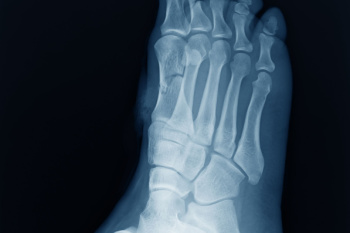
The cuboid bone may be small, but it plays a big role in foot function. Located on the outer midfoot, it acts as a stabilizer, supporting weight distribution and aiding movement. It also helps maintain the arch and provides a smooth transition when walking. Because of its key position, even minor misalignment can lead to pain and mobility issues. One common problem is cuboid syndrome, where the bone shifts out of place due to overuse, injury, or wearing tight footwear. This can cause sharp pain along the outer foot, stiffness, and difficulty bearing weight. Dancers, athletes, and people with flat feet are especially at risk. Ignoring symptoms can lead to chronic discomfort and changes in gait. Treatment includes rest, foot strengthening, and sometimes realignment techniques. If you are experiencing this type of pain and it persists or worsens, it is suggested that you see a podiatrist to restore proper function and prevent further issues.
Cuboid syndrome, also known as cuboid subluxation, occurs when the joints and ligaments near the cuboid bone in the foot become torn. If you have cuboid syndrome, consult with one of our podiatrists from Advanced Foot & Ankle. Our doctors will assess your condition and provide you with quality foot and ankle treatment.
Cuboid syndrome is a common cause of lateral foot pain, which is pain on the outside of the foot. The condition may happen suddenly due to an ankle sprain, or it may develop slowly overtime from repetitive tension through the bone and surrounding structures.
Causes
The most common causes of cuboid syndrome include:
- Injury – The most common cause of this ailment is an ankle sprain.
- Repetitive Strain – Tension placed through the peroneus longus muscle from repetitive activities such as jumping and running may cause excessive traction on the bone causing it to sublux.
- Altered Foot Biomechanics – Most people suffering from cuboid subluxation have flat feet.
Symptoms
A common symptom of cuboid syndrome is pain along the outside of the foot which can be felt in the ankle and toes. This pain may create walking difficulties and may cause those with the condition to walk with a limp.
Diagnosis
Diagnosis of cuboid syndrome is often difficult, and it is often misdiagnosed. X-rays, MRIs and CT scans often fail to properly show the cuboid subluxation. Although there isn’t a specific test used to diagnose cuboid syndrome, your podiatrist will usually check if pain is felt while pressing firmly on the cuboid bone of your foot.
Treatment
Just as the range of causes varies widely, so do treatments. Some more common treatments are ice therapy, rest, exercise, taping, and orthotics.
If you have any questions, please feel free to contact our offices located in Newburg and Taylorsville, KY . We offer the newest diagnostic and treatment technologies for all your foot care needs.
Tuesday, 18 February 2025 00:00
Painful Ingrown Toenails
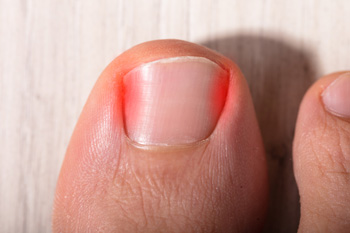
Ingrown toenails occur when the edges of your toenail grow into the surrounding skin, leading to pain, redness, and swelling. Causes of ingrown toenails include improper nail trimming, cutting nails too short or rounding the edges, wearing tight or ill-fitting shoes, and injury to the toe. In some cases, genetics may play a role, with some people being more prone to the condition due to the natural shape of their nails. The affected area can become tender, and in some cases, you may notice drainage or an infection. Typically, this happens on the big toe but can affect any toenail. The discomfort often worsens when wearing shoes or walking, and without treatment an ingrown toenail can become more prone to infection. A podiatrist can help by properly treating the ingrown portion of the nail, providing pain relief, and offering advice on preventing future ingrown toenails. They may also suggest a permanent solution, such as a minor procedure to prevent the nail from growing into the skin again. If you are dealing with an ingrown toenail, it is suggested that you make an appointment with a podiatrist.
Ingrown toenails can become painful if they are not treated properly. For more information about ingrown toenails, contact one of our podiatrists of Advanced Foot & Ankle. Our doctors can provide the care you need to keep you pain-free and on your feet.
Ingrown Toenails
Ingrown toenails occur when a toenail grows sideways into the bed of the nail, causing pain, swelling, and possibly infection.
Causes
- Bacterial infections
- Improper nail cutting such as cutting it too short or not straight across
- Trauma to the toe, such as stubbing, which causes the nail to grow back irregularly
- Ill-fitting shoes that bunch the toes too close together
- Genetic predisposition
Prevention
Because ingrown toenails are not something found outside of shoe-wearing cultures, going barefoot as often as possible will decrease the likeliness of developing ingrown toenails. Wearing proper fitting shoes and using proper cutting techniques will also help decrease your risk of developing ingrown toenails.
Treatment
Ingrown toenails are a very treatable foot condition. In minor cases, soaking the affected area in salt or antibacterial soaps will not only help with the ingrown nail itself, but also help prevent any infections from occurring. In more severe cases, surgery is an option. In either case, speaking to your podiatrist about this condition will help you get a better understanding of specific treatment options that are right for you.
If you have any questions please feel free to contact our offices located in Newburg and Taylorsville, KY . We offer the newest diagnostic and treatment technologies for all your foot and ankle needs.
Sunday, 16 February 2025 00:00
Keep Your Feet Healthy So You Can Stay Active

Have your feet inspected by a professional before starting a new sport or physical activity. Taking charge of your foot health will keep you in good physical condition and can help you avoid a potential injury, such as a fracture or sprained ankle.
Prevent injuries and see a foot specialist.
Tuesday, 11 February 2025 00:00
Peripheral Artery Disease and Atherosclerosis
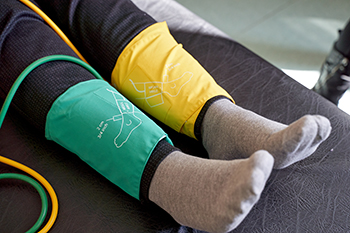
Peripheral arterial disease, or PAD, occurs when the arteries in your legs become narrowed or blocked due to a buildup of fatty deposits, known as atherosclerosis. This reduces blood flow to the lower limbs, which can cause pain, cramping, or fatigue during activities like walking. PAD not only affects mobility, but can also worsen atherosclerosis over time. As blood flow decreases, tissues in the legs and feet receive less oxygen and nutrients, leading to slower healing, higher risks of infections, and even tissue damage, in severe cases. If you have diabetes or smoke, your risk of PAD and its complications increases significantly. Early detection and management of PAD can help slow the progression of atherosclerosis and protect your health. If you are experiencing leg pain, numbness, or wounds that are slow to heal, it is strongly suggested that you see a podiatrist for evaluation and care.
Peripheral artery disease can pose a serious risk to your health. It can increase the risk of stroke and heart attack. If you have symptoms of peripheral artery disease, consult with one of our podiatrists from Advanced Foot & Ankle. Our doctors will assess your condition and provide you with quality foot and ankle treatment.
Peripheral artery disease (PAD) is when arteries are constricted due to plaque (fatty deposits) build-up. This results in less blood flow to the legs and other extremities. The main cause of PAD is atherosclerosis, in which plaque builds up in the arteries.
Symptoms
Symptoms of PAD include:
- Claudication (leg pain from walking)
- Numbness in legs
- Decrease in growth of leg hair and toenails
- Paleness of the skin
- Erectile dysfunction
- Sores and wounds on legs and feet that won’t heal
- Coldness in one leg
It is important to note that a majority of individuals never show any symptoms of PAD.
Diagnosis
While PAD occurs in the legs and arteries, Podiatrists can diagnose PAD. Podiatrists utilize a test called an ankle-brachial index (ABI). An ABI test compares blood pressure in your arm to you ankle to see if any abnormality occurs. Ultrasound and imaging devices may also be used.
Treatment
Fortunately, lifestyle changes such as maintaining a healthy diet, exercising, managing cholesterol and blood sugar levels, and quitting smoking, can all treat PAD. Medications that prevent clots from occurring can be prescribed. Finally, in some cases, surgery may be recommended.
If you have any questions, please feel free to contact our offices located in Newburg and Taylorsville, KY . We offer the newest diagnostic and treatment technologies for all your foot care needs.
Tuesday, 04 February 2025 00:00
How Does Neuropathy Affect the Feet?
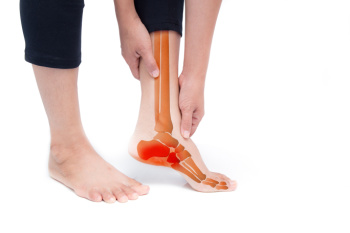
Peripheral neuropathy is a condition that affects the peripheral nervous system, causing damage to the nerves outside the brain and spinal cord. It can result from various factors, including diabetes, injury, infections, or certain medications. The symptoms often include pain, weakness, numbness, tingling, and a burning sensation, typically in the feet and hands. This discomfort can range from mild to severe and may make walking or performing daily tasks difficult. Treatment for peripheral neuropathy depends on the underlying cause but usually includes pain management, targeted exercises, and medications to reduce nerve inflammation. In some cases, lifestyle changes like controlling blood sugar or improving circulation may help alleviate symptoms. A podiatrist can assist by evaluating your condition, offering pain relief strategies, providing custom orthotics to improve mobility, and recommending exercises to maintain strength and flexibility. If you are experiencing symptoms of peripheral neuropathy, it is suggested that you schedule an appointment with a podiatrist for expert care and management.
Neuropathy
Neuropathy can be a potentially serious condition, especially if it is left undiagnosed. If you have any concerns that you may be experiencing nerve loss in your feet, consult with one of our podiatrists from Advanced Foot & Ankle. Our doctors will assess your condition and provide you with quality foot and ankle treatment for neuropathy.
What Is Neuropathy?
Neuropathy is a condition that leads to damage to the nerves in the body. Peripheral neuropathy, or neuropathy that affects your peripheral nervous system, usually occurs in the feet. Neuropathy can be triggered by a number of different causes. Such causes include diabetes, infections, cancers, disorders, and toxic substances.
Symptoms of Neuropathy Include:
- Numbness
- Sensation loss
- Prickling and tingling sensations
- Throbbing, freezing, burning pains
- Muscle weakness
Those with diabetes are at serious risk due to being unable to feel an ulcer on their feet. Diabetics usually also suffer from poor blood circulation. This can lead to the wound not healing, infections occurring, and the limb may have to be amputated.
Treatment
To treat neuropathy in the foot, podiatrists will first diagnose the cause of the neuropathy. Figuring out the underlying cause of the neuropathy will allow the podiatrist to prescribe the best treatment, whether it be caused by diabetes, toxic substance exposure, infection, etc. If the nerve has not died, then it’s possible that sensation may be able to return to the foot.
Pain medication may be issued for pain. Electrical nerve stimulation can be used to stimulate nerves. If the neuropathy is caused from pressure on the nerves, then surgery may be necessary.
If you have any questions, please feel free to contact our offices located in Newburg and Taylorsville, KY . We offer the newest diagnostic and treatment technologies for all your foot care needs.
