Connect With Us
Blog
Items filtered by date: July 2024
Tuesday, 30 July 2024 00:00
Facts About Ankle Replacement Surgery
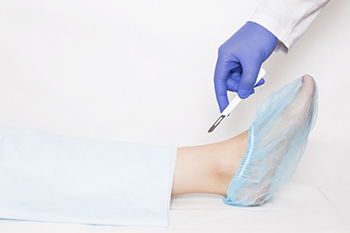
Ankle replacement surgery, or ankle arthroplasty, is a surgical option for those with severe ankle joint damage, often resulting from osteoarthritis, rheumatoid arthritis, or significant fractures. This procedure involves replacing the damaged bones in the ankle joint with prosthetics, to restore function and reduce pain. Ankle replacement surgery includes making an incision to access the joint, repositioning blood vessels, nerves, and tendons, and then removing and reshaping the damaged bones to fit the artificial joint. Full recovery may take as long as six months. It begins by keeping the leg elevated and possibly remaining in the hospital for up to a week, as the healing process begins. Though the prognosis is generally positive, with many ankle replacements lasting over a decade, potential risks can include infection, blood clots, nerve damage, and prosthetic failure. If you have severe ankle problems, it is suggested that you schedule an appointment with a podiatrist to find out if ankle replacement is an option for you.
In certain cases, in which the patient suffers from extreme pain or damage in a joint, joint replacement surgery may be deemed useful. If you have constant pain in a foot joint, consult with one of our podiatrists from Advanced Foot & Ankle. Our doctors will assess your condition and provide you with quality foot and ankle treatment.
What Is Joint Replacement Surgery?
Over time, joints wear down; this can be exacerbated by diseases and conditions. Joint replacement surgery, also known as arthroplasty, is when a damaged joint is surgically removed and replaced with a prosthesis. Prostheses, which can be made of ceramic, plastic, or metal, act as joints in lieu of an actual joint. One of the most prevalent causes for joint replacement is arthritis.
Arthritis in the Foot
Arthritis can occur in any joint in the body, including in the feet. Common types of arthritis in the foot are osteoarthritis, rheumatoid arthritis, and gout. The big toe is usually where arthritis occurs in the foot; this is known as hallux rigidus.
Joint Replacement Surgery in the Foot
The most common form of joint replacement in the foot is a first metatarsophalangeal (MTP) joint placement. MTP joint replacement surgery is designed to treat hallux rigidus. Surgery is not intensive, and recovery occurs within one to two months after the procedure has been done. Overall, joint replacement surgery is a safe and effective way to treat pain in the joint of the foot.
If you have any questions, please feel free to contact our offices located in Newburg and Taylorsville, KY . We offer the newest diagnostic and treatment technologies for all your foot care needs.
Tuesday, 23 July 2024 00:00
What Are the Signs of Toenail Fungus?

Toenail fungus, also known as onychomycosis, is a common condition caused by various fungi that thrive in warm, moist environments. Frequent exposure to such environments, like public swimming pools or showers, can increase the risk of infection. Additionally, wearing tight or non-breathable shoes and having minor skin or nail injuries can also make toenails more susceptible to fungal infections. Symptoms of toenail fungus can include thickened, discolored, or brittle nails that may become distorted in shape. The affected nails may also separate from the nail bed, and a foul odor can develop. In some cases, the surrounding skin may appear red and inflamed. Early detection and treatment are critical to prevent the infection from spreading and causing further complications. Maintaining good foot hygiene and wearing breathable footwear can help reduce the risk of toenail fungus. If you have developed this condition, it is suggested that you contact a podiatrist who can successfully treat it, which most likely will include prescribed medication.
For more information about treatment, contact one of our podiatrists of Advanced Foot & Ankle. Our doctors can provide the care you need to keep you pain-free and on your feet.
Toenail Fungus Treatment
Toenail fungus is a condition that affects many people and can be especially hard to get rid of. Fortunately, there are several methods to go about treating and avoiding it.
Antifungals & Deterrence
Oral antifungal medicine has been shown to be effective in many cases. It is important to consult with a podiatrist to determine the proper regiment for you, or potentially explore other options.
Applying foot powder on the feet and shoes helps keep the feet free of moisture and sweat.
Sandals or open toed shoes – Wearing these will allow air movement and help keep feet dry. They also expose your feet to light, which fungus cannot tolerate. Socks with moisture wicking material also help as well.
If you have any questions please feel free to contact our offices located in Newburg and Taylorsville, KY . We offer the newest diagnostic tools and technology to treat your foot and ankle needs.
Friday, 19 July 2024 00:00
Get Proper Treatment for Ankle Injuries

If you're experiencing ankle pain, you may be suffering from an ankle injury. Sprains, fractures, Achilles tendonitis, and Achilles tendon ruptures are just some examples of potential ankle injuries. Don't wait for care for an ankle injury, as it may worsen over time. We can help!
Tuesday, 16 July 2024 00:00
What Are Diabetic Foot Ulcers?
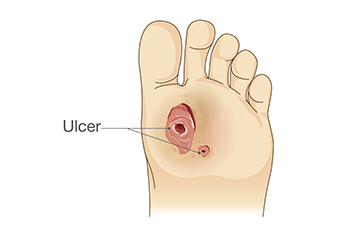
Diabetic foot ulcers are serious complications of diabetes, characterized by open sores or wounds that typically develop on the feet. They result from poor circulation, nerve damage, also called neuropathy, and impaired immune function associated with diabetes. Treatment involves meticulous wound care, which includes cleaning the ulcer with gentle soap and water, applying antibiotic ointment, and covering it with a sterile dressing. Offloading pressure from the affected foot is important to prevent further irritation and aid healing. Podiatrists can conduct regular exams to monitor ulcers, assess circulation, and provide guidance on footwear and hygiene. Timely intervention can prevent complications such as infections or amputations. If you have diabetes, it is strongly suggested you visit a podiatrist who can help you to manage this condition.
Wound care is an important part in dealing with diabetes. If you have diabetes and a foot wound or would like more information about wound care for diabetics, consult with one of our podiatrists from Advanced Foot & Ankle. Our doctors will assess your condition and provide you with quality foot and ankle treatment.
What Is Wound Care?
Wound care is the practice of taking proper care of a wound. This can range from the smallest to the largest of wounds. While everyone can benefit from proper wound care, it is much more important for diabetics. Diabetics often suffer from poor blood circulation which causes wounds to heal much slower than they would in a non-diabetic.
What Is the Importance of Wound Care?
While it may not seem apparent with small ulcers on the foot, for diabetics, any size ulcer can become infected. Diabetics often also suffer from neuropathy, or nerve loss. This means they might not even feel when they have an ulcer on their foot. If the wound becomes severely infected, amputation may be necessary. Therefore, it is of the upmost importance to properly care for any and all foot wounds.
How to Care for Wounds
The best way to care for foot wounds is to prevent them. For diabetics, this means daily inspections of the feet for any signs of abnormalities or ulcers. It is also recommended to see a podiatrist several times a year for a foot inspection. If you do have an ulcer, run the wound under water to clear dirt from the wound; then apply antibiotic ointment to the wound and cover with a bandage. Bandages should be changed daily and keeping pressure off the wound is smart. It is advised to see a podiatrist, who can keep an eye on it.
If you have any questions please contact our offices located in Newburg and Jeffersontown, KY. We offer the newest diagnostic and treatment technologies for all your foot and ankle needs.
Tuesday, 09 July 2024 00:00
Orthotics Can Help With Arch Support
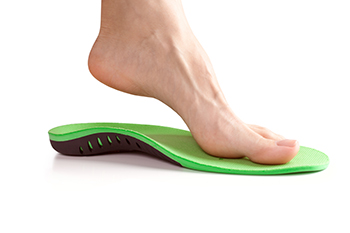
Proper arch support is essential for maintaining foot health and preventing discomfort. While over-the-counter arch supports are available at many sports and shoe stores, custom orthotics prescribed by a podiatrist can offer personalized relief for those suffering from arch pain. These medical devices are designed and created specifically for your foot. Customized orthotics for arch support help to rebuild the foot’s natural strength by providing targeted support, thereby preventing further injury and aiding in the repair of existing damage. The rigidity of these supports ensures that the arches remain elevated while allowing some flexibility for natural movement. In severe cases, continuous support methods like taping can be beneficial, providing consistent arch stability even when barefoot. Consulting with a podiatrist is vital for ensuring the proper fit and function of your orthotic device, as improperly fitted supports can cause additional harm. If you are experiencing arch pain, it is suggested that you make an appointment with a podiatrist for an exam and treatment.
If you are having discomfort in your feet and would like to try orthotics, contact one of our podiatrists from Advanced Foot & Ankle. Our doctors can provide the care you need to keep you pain-free and on your feet.
What Are Orthotics?
Orthotics are inserts you can place into your shoes to help with a variety of foot problems such as flat feet or foot pain. Orthotics provide relief and comfort for minor foot and heel pain but can’t correct serious biomechanical problems in your feet.
Over-the-Counter Inserts
Orthotics come in a wide variety of over-the-counter inserts that are used to treat foot pain, heel pain, and minor problems. For example, arch supports can be inserted into your shoes to help correct overarched or flat feet, while gel insoles are often used because they provide comfort and relief from foot and heel pain by alleviating pressure.
Prescription Orthotics
If over-the-counter inserts don’t work for you or if you have a more severe foot concern, it is possible to have your podiatrist prescribe custom orthotics. These high-quality inserts are designed to treat problems such as abnormal motion, plantar fasciitis, and severe forms of heel pain. They can even be used to help patients suffering from diabetes by treating foot ulcers and painful calluses and are usually molded to your feet individually, which allows them to provide full support and comfort.
If you are experiencing minor to severe foot or heel pain, it’s recommended to speak with your podiatrist about the possibilities of using orthotics. A podiatrist can determine which type of orthotic is right for you and allow you to take the first steps towards being pain-free.
If you have any questions please contact our offices located in Newburg and Taylorsville, KY . We offer the newest diagnostic and treatment technologies for all your foot and ankle needs.
Tuesday, 02 July 2024 00:00
Sports Overuse Injuries in Young People
 Sports-related injuries are common in children and adolescents, particularly affecting the feet due to the high impact and repetitive stress involved in athletic activities. Growth plates, the areas of developing tissues at the ends of long bones, are vulnerable during this stage, making young athletes more susceptible to injuries such as fractures, sprains, and strains. Many of these injuries are related to overuse, where repetitive stress leads to wear and tear on the feet. Common foot injuries in this age group include Sever's disease, an inflammation of the growth plate in the heel, and stress fractures, small cracks in the bone caused by repetitive force. Other issues like ankle sprains and plantar fasciitis, which is inflammation of the tissue along the bottom of the foot, are also prevalent. Prevention strategies include proper warm-up exercises, wearing appropriate and well-fitting footwear, and ensuring adequate rest to avoid overuse injuries. Parents and coaches should encourage young athletes to listen to their bodies and seek medical attention when pain persists. If you have a young athlete in the family, it is suggested that you schedule regular visits to a podiatrist to maintain foot health and address any injuries promptly.
Making sure that your children maintain good foot health is very important as they grow. If you have any questions, contact one of our podiatrists of Advanced Foot & Ankle. Our doctors can provide the care you need to keep you pain-free and on your feet.
Keeping Children's Feet Healthy
Having healthy feet during childhood can help prevent medical problems later in life, namely in the back and legs. As children grow, their feet require different types of care. Here are some things to consider...
Although babies do not walk yet, it is still very important to take care of their feet.
Avoid putting tight shoes or socks on his or her feet.
Allow the baby to stretch and kick his or her feet to feel comfortable.
As a toddler, kids are now on the move and begin to develop differently. At this age, toddlers are getting a feel for walking, so don’t be alarmed if your toddler is unsteady or ‘walks funny’.
As your child gets older, it is important to teach them how to take care of their feet.
Show them proper hygiene to prevent infections such as fungus.
Be watchful for any pain or injury.
Have all injuries checked by a doctor as soon as possible.
Comfortable, protective shoes should always be worn, especially at play.
If you have any questions please contact our offices located in Newburg and Jeffersontown, KY. We offer the newest diagnostic and treatment technologies for all your foot and ankle needs.
Read more about What to Do to Keep Your Child’s Feet Healthy
