Diabetic Foot Wounds & Ulcers Treatment
Our podiatrists treat foot wounds in the areas near Newburg, Louisville, KY 40218, and Jeffersontown, Louisville, KY 40299. Call our offices today: Newburg, and Jeffersontown at (502) 459-8127 if you are dealing with non-healing wounds and ulceration.
Ingrown Toenail Causes
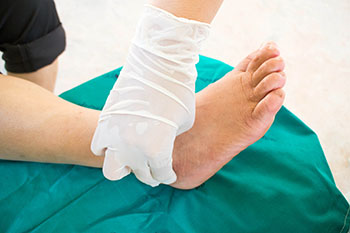 For those with diabetes, early prevention and prompt treatment for wounds can be crucial to maintaining healthy feet. Unfortunately for those with diabetes, minor wounds have the ability to turn into serious ulcers if left uncared for. Simply walking in new or tight-fitting shoes can be enough to form a serious foot condition. Diabetes affects the nerves of the feet, sometimes leaving them with little or no feeling. If a wound therefore develops and isn’t felt, it may be hard for that person to recognize they need care.
Common Causes of Diabetic Foot Wounds
Diabetic foot wounds often develop due to a combination of nerve damage (neuropathy), poor circulation, and prolonged pressure on certain areas of the foot. Blisters, calluses, cuts, or cracks in the skin can quickly worsen when healing is impaired. Even minor injuries can progress into open sores or ulcers without proper treatment.
Why Diabetic Foot Ulcers Are Serious
Foot ulcers can pose significant risks if not treated promptly. Infections may spread to deeper tissues or bone, increasing the likelihood of hospitalization or surgical intervention. Because circulation may be compromised, healing times are often longer, making professional care essential to avoid complications.
Diabetic Wounds & Ulcers Prevention
To avoid ignoring wounds and to help prevent the development of serious foot conditions, it’s advised to check your feet daily for any abnormalities. Look for redness, swelling, blisters, cuts, or changes in skin color. It can also be beneficial to wear comfortable shoes with extra support. Avoiding high heels and other tight-fitting shoes may help in preventing certain foot complications.
You should also be careful in how you trim your toenails. Avoid cutting at an angle and digging into the sides of skin surrounding the nail, as this may cause ingrown toenails or infections. Lastly, be sure to wash and dry your feet thoroughly to maintain proper hygiene for your feet.
Signs a Diabetic Wound Needs Immediate Attention
Some wounds require prompt professional evaluation. Warning signs include persistent redness, warmth, drainage, foul odor, swelling, or pain. If a wound does not begin to heal within a few days or appears to worsen, medical care should be sought right away.
Advanced Wound Care Treatment Options
Diabetic foot wound treatment may involve cleaning and debriding the wound, specialized dressings, pressure relief techniques, and infection control. In some cases, custom orthotics or therapeutic footwear may be recommended to reduce pressure and promote healing.
Ongoing Foot Care for People with Diabetes
Routine foot care is an important part of managing diabetes. Regular foot exams can help identify issues early before they become serious. Maintaining good blood sugar control also plays a vital role in supporting circulation and healing.
Visit your Foot Doctor
For information on wound care and wound prevention, we recommend you speak with a podiatrist for professional care and advice. A foot specialist can create a personalized treatment plan to help protect your feet and reduce the risk of future complications.
