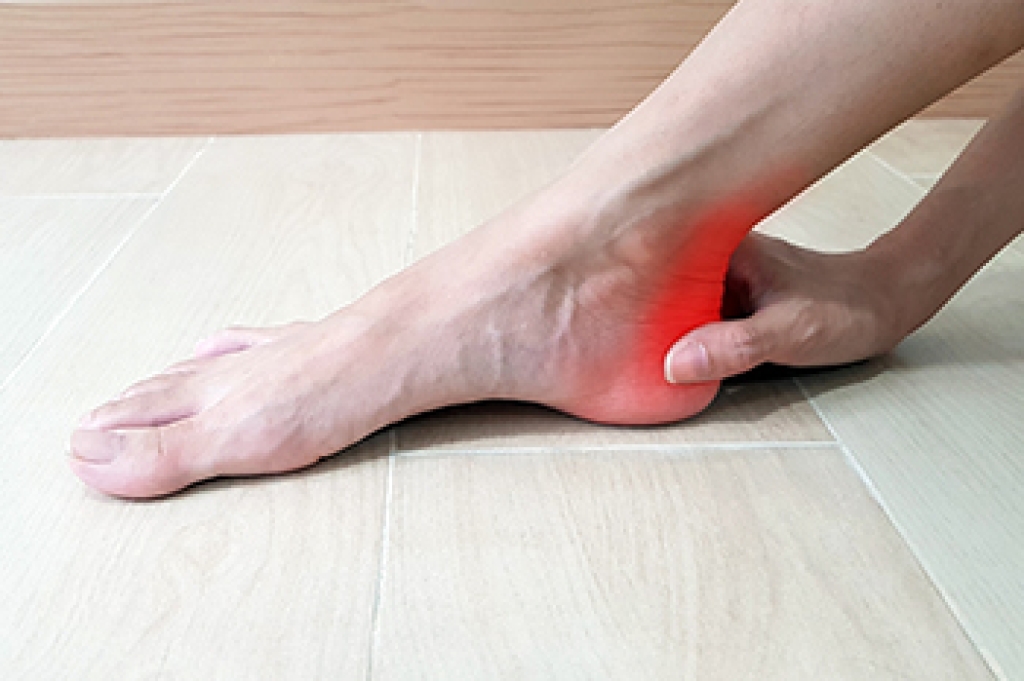
Understanding Achilles Tendon Injuries and Ruptures

The Achilles tendon connects the calf muscles to the heel bone and plays an important role in walking, running, and jumping. It handles strong forces when the foot pushes downward or the body lands after a jump. Achilles tendon injuries can range from irritation and small tears to a complete rupture. Repeated activity can weaken the tendon, while a sudden force can cause it to tear. Basketball, track, and volleyball can place high stress on this area because they involve frequent jumping and landing. However, an Achilles injury can occur in many sports and daily activities.

A rupture can happen when the knee is straight and the foot is suddenly pulled upward while the tendon is under heavy force. Patients can hear or feel a pop at the time of injury. They can also develop immediate weakness when pushing off the foot, making walking difficult. Previous Achilles tendon irritation can increase the risk of a rupture. Weak calf muscles and poor conditioning can also raise the risk. Some patients experience Achilles pain or other symptoms in the weeks before a complete tear occurs, making early evaluation important.

A podiatrist can examine the Achilles tendon and determine the location and severity of an injury. The evaluation can include checking foot movement, calf strength, and the tendon for a gap that can indicate a rupture. A podiatrist can then develop a treatment plan based on the injury and the patient's activity level. Treatment for serious tears can involve immobilization or surgery. Prompt care is important because an untreated rupture can become stiff and scarred, making repair more difficult. If you have an Achilles tendon injury, it is suggested that you schedule an appointment with a podiatrist for effective relief and treatment solutions. 

Achilles tendon injuries need immediate attention to avoid future complications. If you have any concerns, contact one of our podiatrists of Advanced Foot & Ankle. Our doctors can provide the care you need to keep you pain-free and on your feet.

What Is the Achilles Tendon?

The Achilles tendon is a tendon that connects the lower leg muscles and calf to the heel of the foot. It is the strongest tendon in the human body and is essential for making movement possible. Because this tendon is such an integral part of the body, any injuries to it can create immense difficulties and should immediately be presented to a doctor.

What Are the Symptoms of an Achilles Tendon Injury?

There are various types of injuries that can affect the Achilles tendon. The two most common injuries are Achilles tendinitis and ruptures of the tendon.

Achilles Tendinitis Symptoms

  • Inflammation
  • Dull to severe pain
  • Increased blood flow to the tendon
  • Thickening of the tendon

Rupture Symptoms

  • Extreme pain and swelling in the foot
  • Total immobility

Treatment and Prevention

Achilles tendon injuries are diagnosed by a thorough physical evaluation, which can include an MRI. Treatment involves rest, physical therapy, and in some cases, surgery. However, various preventative measures can be taken to avoid these injuries, such as:

  • Thorough stretching of the tendon before and after exercise
  • Strengthening exercises like calf raises, squats, leg curls, leg extensions, leg raises, lunges, and leg presses

If you have any questions please feel free to contact our offices located in Newburg and Taylorsville, KY . We offer the newest diagnostic tools and technology to treat your foot and ankle needs.

Read more about What are Achilles Tendon Injuries

How Runners Can Manage Plantar Fasciitis and Heel Pain

Running puts repeated force on the feet, and the plantar fascia absorbs stress. The plantar fascia is a band of tissue that runs from the heel to the toes and supports the arch. When this tissue becomes irritated, heel pain can develop. Pain from plantar fasciitis is sharpest with the first steps after waking. A run may feel manageable at first, but discomfort can increase as the foot works harder. Sudden changes in mileage, faster training, and hills can place extra strain on the heel. Shoes that lack proper support can add stress.

Runners should not assume heel pain will fade. Continuing the same training schedule can make irritation harder to settle and affect running form. A runner may alter their gait by shortening each step or shifting weight away from the sore heel. These changes can strain the ankle, knee, or other foot. A podiatrist can examine the painful area and evaluate how the foot moves to rule out a stress fracture. Imaging can clarify the diagnosis if needed. An early evaluation gives the runner a clear plan and can reduce time away from training.

Treatment from a podiatrist focuses on easing heel stress and supporting a safe return to running. The podiatrist can recommend activity changes and prescribe custom orthotics to improve foot support. This helps avoid the motion that pulls on the plantar fascia. The doctor may suggest supportive shoes or a night splint, which keeps the foot in a gentle stretch while sleeping. Advice about mileage, running surfaces, and warm-up habits can lower the chance of another flare-up. Follow-up visits allow the podiatrist to check progress and adjust treatment. Surgery is rarely required, but a podiatrist can discuss it when pain remains severe despite careful treatment. If you are a runner with symptoms of plantar fasciitis, it is suggested that you schedule an appointment with a podiatrist for effective relief and treatment solutions.

Plantar fasciitis can be very painful and inconvenient. If you are experiencing heel pain or symptoms of plantar fasciitis, contact one of our podiatrists  from Advanced Foot & Ankle. Our doctors can provide the care you need to keep you pain-free and on your feet.

What Is Plantar Fasciitis?

Plantar fasciitis is the inflammation of the thick band of tissue that runs along the bottom of your foot, known as the plantar fascia, and causes mild to severe heel pain.

What Causes Plantar Fasciitis?

  • Excessive running
  • Non-supportive shoes
  • Overpronation
  • Repeated stretching and tearing of the plantar fascia

How Can It Be Treated?

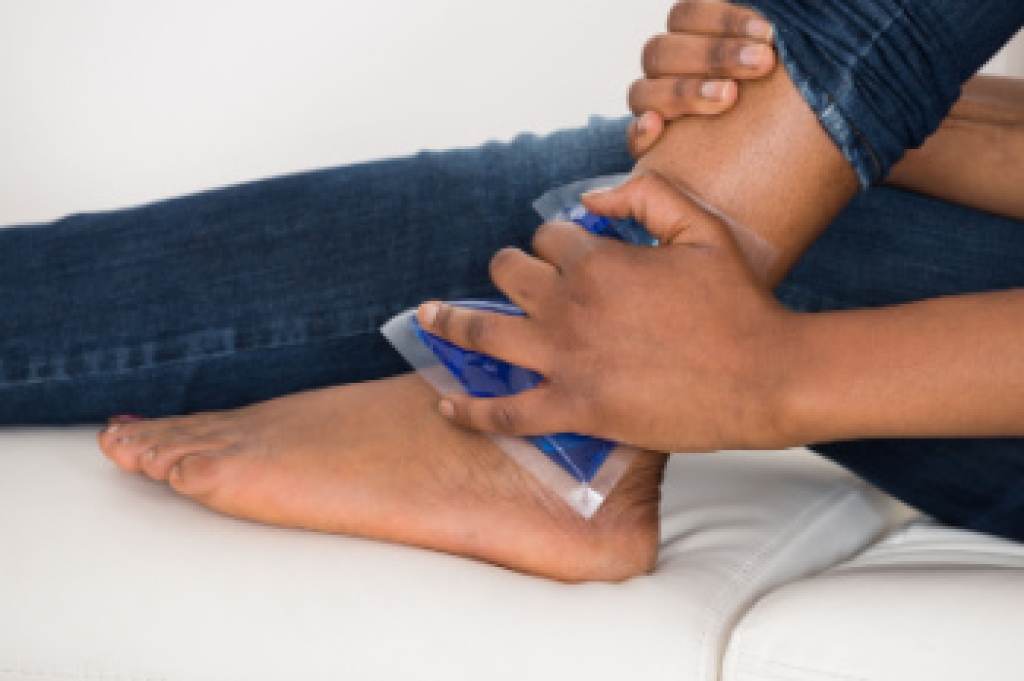
  • Conservative measures – anti-inflammatories, ice packs, stretching exercises, physical therapy, orthotic devices
  • Shockwave therapy – sound waves are sent to the affected area to facilitate healing and are usually used for chronic cases of plantar fasciitis
  • Surgery – usually only used as a last resort when all else fails. The plantar fascia can be surgically detached from the heel

While very treatable, plantar fasciitis is definitely not something that should be ignored. Especially in severe cases, speaking to your doctor right away is highly recommended to avoid complications and severe heel pain. Your podiatrist can work with you to provide the appropriate treatment options tailored to your condition.

If you have any questions, please feel free to contact our offices located in Newburg and Taylorsville, KY . We offer the newest diagnostic and treatment technologies for all your foot care needs.
Read more about Plantar Fasciitis

Connect With Us

Advanced Podiatric Procedures & Services in the Jefferson County, KY: Louisville, Shively, St. Matthews, Jeffersontown, Pleasure Ridge Park, Valley Station, Anchorage, Crestwood, Goshen areas