Diabetic Foot Pain and Its Impact on Daily Life

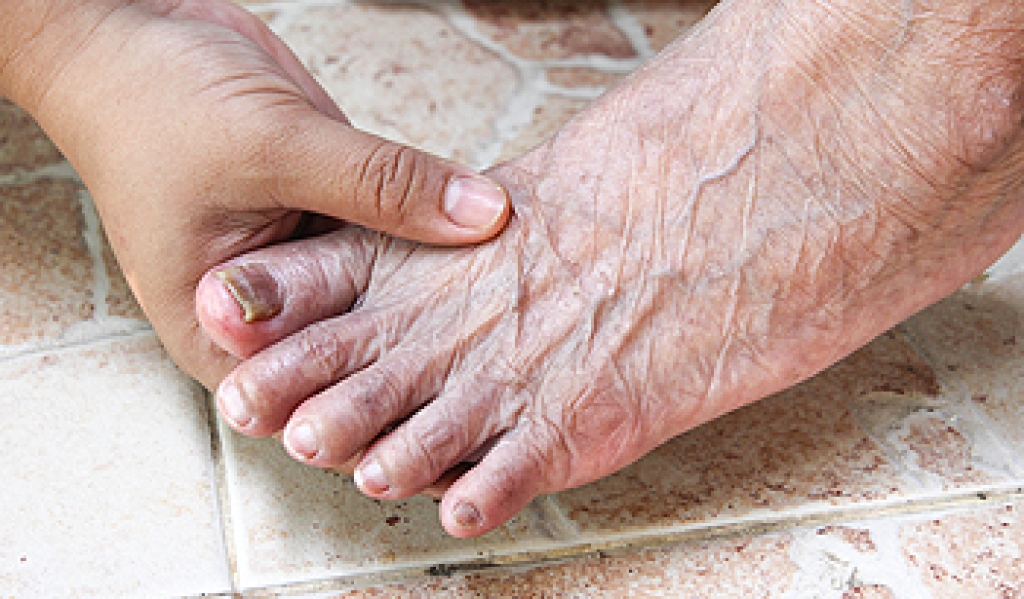
Diabetic foot pain is a common complication of diabetes that affects the nerves, blood flow, and overall structure of the feet. It develops when high blood sugar levels begin to damage the nerves and blood vessels that support healthy foot function. This condition is often linked to diabetic neuropathy, where nerve damage leads to reduced sensation and abnormal pain signals. Poor circulation also plays a major role, as it limits the delivery of oxygen and nutrients needed to keep tissues healthy and resilient.

Symptoms of diabetic foot pain vary from mild discomfort to severe and persistent pain that interferes with daily activities. Many individuals experience numbness, tingling, or a burning sensation in the feet. Others may notice stiff joints, reduced flexibility, or sharp pains that occur even while resting. Loss of sensation can make it difficult to detect injuries, which increases the risk of infections, ulcers, and long-term complications. Swelling, dry skin, and slow-healing wounds are also common signs that should not be ignored.


Several underlying causes contribute to diabetic foot pain. High blood sugar levels damage nerves over time, leading to neuropathy and altered pain perception. Poor circulation reduces blood flow to the lower extremities, which can result in tissue breakdown and delayed healing. These combined effects create an environment where even minor foot problems can become serious, if left untreated. Risk factors include long-standing diabetes and poor blood sugar control. Smoking, obesity, and lack of regular foot care are other factors.


Managing diabetic foot pain requires a comprehensive approach that focuses on controlling blood sugar levels and protecting foot health. Wearing supportive footwear, proper hygiene, and regular foot inspections can help reduce complications. A podiatrist can provide advanced care, including custom orthotics, wound management, and guidance on preventing further damage. If you are experiencing foot pain from diabetes, it is strongly suggested that you are under the care of a podiatrist who can help you to manage this serious condition. 

Foot Pain

Foot pain can be extremely painful and debilitating. If you have a foot pain, consult with one of our podiatrists from Advanced Foot & Ankle. Our doctors will assess your condition and provide you with quality foot and ankle treatment.

Causes

Foot pain is a very broad condition that could be caused by one or more ailments. The most common include:

  • Bunions
  • Hammertoes
  • Plantar Fasciitis
  • Bone Spurs
  • Corns
  • Tarsal Tunnel Syndrome
  • Ingrown Toenails
  • Arthritis (such as Gout, Rheumatoid, and Osteoarthritis)
  • Flat Feet
  • Injury (from stress fractures, broken toe, foot, ankle, Achilles tendon ruptures, and sprains)
  • And more

Diagnosis

To figure out the cause of foot pain, podiatrists utilize several different methods. This can range from simple visual inspections and sensation tests to X-rays and MRI scans. Prior medical history, family medical history, and any recent physical traumatic events will all be taken into consideration for a proper diagnosis.

Treatment

Treatment depends upon the cause of the foot pain. Whether it is resting, staying off the foot, or having surgery; podiatrists have a number of treatment options available for foot pain.

If you have any questions, please feel free to contact our offices located in Newburg and Taylorsville, KY . We offer the newest diagnostic and treatment technologies for all your foot care needs.
Read more about Foot Pain

How Podiatrists Treat Broken and Detached Toenails

A broken or detached toenail occurs when part or all of the nail separates from the skin beneath it. The damage can cause pain, bleeding, and swelling. Dark discoloration can also develop. A loose nail can catch on socks and shoes, which can tear the skin below. Causes include stubbing the toe, dropping a heavy object on it, or repeated pressure from wearing tight shoes. Fungal infections can weaken and thicken the nail until it cracks or lifts. Skin conditions like psoriasis can affect nail growth and cause separation. A detached toenail can take up to 18 months to grow back.

A podiatrist should examine a damaged nail when there is severe pain, bleeding, or a dark area beneath it. An examination can show how much of the nail remains attached and whether the nail bed is injured. The podiatrist can also check for a broken toe or signs of infection. These signs include redness, warmth, and drainage. Patients with diabetes, poor blood flow, or reduced feeling in the feet should seek prompt care for a toenail injury. Even a small wound can become serious when healing is slow or the injury goes unnoticed.

Treatment depends on the cause and extent of the damage. A podiatrist can smooth sharp edges, trim loose portions, and protect exposed tissue. When blood trapped beneath the nail creates pressure, the podiatrist can drain it through a tiny opening. Testing a nail sample can identify a fungal infection and guide treatment. If the nail is badly damaged or infected, removing part or all of it can help the area heal. The podiatrist can also explain whether the nail is likely to return normally. Follow-up visits allow the doctor to watch for infection and check new nail growth. Well-fitted shoes can reduce pressure on the healing toe and help prevent another injury. If you have problematic toenails, it is suggested that you schedule an appointment with a podiatrist for a diagnosis and appropriate treatment.

Toe pain can disrupt your daily activities. If you have any concerns, contact one of our podiatrists of Advanced Foot & Ankle. Our doctors can provide the care you need to keep you pain-free and on your feet.

What Causes Toe Pain?

Most severe toe pain is caused due to a sports injury, trauma from dropping something heavy on the toe, or bumping into something rigid. Other problems can develop over time for various reasons.

Toe pain can be caused by one or more ailments. The most common include:

  • Trauma
  • Sports injury
  • Wearing shoes that are too tight
  • Arthritis
  • Gout
  • Corns and calluses
  • Hammertoe
  • Bunions
  • Blisters
  • Ingrown toenails
  • Sprains
  • Fractures (broken bones)
  • Dislocations

When to See a Podiatrist

  • Severe pain
  • Persistent pain that lasts more than a week
  • Signs of infection
  • Continued swelling
  • Pain that prevents walking

Diagnosis

In many cases the cause of toe pain is obvious, but in others, a podiatrist may want to use more advanced methods to determine the problem. These can range from simple visual inspections and sensation tests to X-rays and MRI scans. Prior medical history, family medical history, and any recent physical traumatic events will all be taken into consideration for a proper diagnosis.

Treatment

Treatments for toe pain and injuries vary and may include shoe inserts, padding, taping, medicines, injections, and in some cases, surgery. If you believe that you have broken a toe, please see a podiatrist as soon as possible.

If you have any questions please contact our offices located in Newburg and Taylorsville, KY . We offer the newest diagnostic and treatment technologies for all your foot and ankle needs.

Read more about Toe Pain

Stop Your Toenail Fungus

Have you noticed discoloration of your toenails? Have they become thickened or brittle? If so, you may be experiencing symptoms of a fungal nail infection. For some, having a fungal nail can be embarrassing. Overcome your embarrassment, and get treated.

Treadmill Running Can Help Fitness but Challenge the Feet

Treadmill running offers a convenient way to exercise in a controlled setting. Runners can choose their speed, adjust the incline, and follow a pace without dealing with traffic or challenging weather. The belt provides a smooth, predictable surface that can feel gentler than concrete. This consistency can help new runners learn pacing and gradually build endurance. A treadmill makes interval training easier because speed settings are precise. For people with busy schedules, indoor access can make regular running more practical. These benefits make the treadmill a useful option for fitness, training, and maintaining a routine throughout the year.

However, treadmill running has drawbacks. The moving belt assists with forward motion, so the legs and feet work somewhat differently than they do outdoors. A flat, even surface also places the body through the same movement repeatedly. This lack of variety can contribute to soreness or strain, especially when speed or distance rises too quickly. Treadmills do not prepare runners for uneven ground, sharp turns, or downhill sections. They can also feel repetitive, and some runners find the indoor setting less motivating. Having poor form and wearing shoes that lack proper support can increase pressure on the heels, arches, and ankles.

A podiatrist can help runners gain the benefits of treadmill exercise while reducing injury risks. The visit can include an examination of foot structure, joint movement, and running form. A podiatrist can identify problems linked to heel pain, arch strain, or repeated stress. Advice can cover proper shoe selection, safe training changes, and the use of custom orthotics. These are shoe inserts designed to improve support and distribute pressure more evenly. A podiatrist can also explain whether treadmill running suits a patient's foot health, symptoms, and training goals. If your feet hurt after running on a treadmill, it is suggested that you schedule an appointment with a podiatrist for a diagnosis and appropriate treatment.

All runners should take extra precaution when trying to avoid injury. If you have any concerns about your feet, contact one of our podiatrists of Advanced Foot & Ankle. Our doctors will treat your foot and ankle needs.

How to Prevent Running Injuries

There are a lot of mistakes a runner can make prior to a workout that can induce injury. A lot of athletes tend to overstretch before running, instead of saving those workouts for a post-run routine. Deep lunges and hand-to-toe hamstring pulls should be performed after a workout instead of during a warmup. Another common mistake is jumping into an intense routine before your body is physically prepared for it. You should try to ease your way into long-distance running instead of forcing yourself to rush into it.

More Tips for Preventing Injury

  • Incorporate Strength Training into Workouts - This will help improve the body’s overall athleticism
  • Improve and Maintain Your Flexibility – Stretching everyday will help improve overall performance
  • “Warm Up” Before Running and “Cool Down” Afterward – A warm up of 5-10 minutes helps get rid of lactic acid in the muscles and prevents delayed muscle soreness
  • Cross-Training is Crucial
  • Wear Proper Running Shoes
  • Have a Formal Gait Analysis – Poor biomechanics can easily cause injury

If you have any questions, please feel free to contact our offices located in Newburg and Taylorsville, KY . We offer the newest diagnostic and treatment technologies for all your foot care needs.

Read more about Preventing Running Injuries

How a Podiatrist Can Help Relieve Heel Pain

Heel pain is one of the most common foot problems and can make walking, standing, or exercising uncomfortable. The pain may begin gradually or appear suddenly, depending on the underlying cause. Conditions that can contribute to heel pain include plantar fasciitis, Achilles tendon disorders, and heel pad syndrome. Other causes include stress fractures or nerve irritation. Symptoms may include aching, sharp pain, or tenderness near the bottom or back of the heel. Some people notice discomfort with their first steps after resting, while others experience pain that worsens during activity. Because many conditions can produce similar symptoms, a professional evaluation is important to determine the exact cause and recommend the most appropriate treatment.


The heel absorbs significant force with every step, making it vulnerable to repeated stress and overuse. Persistent heel pain can affect the way a person walks, placing additional strain on nearby joints and soft tissues. This may lead to discomfort in the ankle, knee, or hip. A thorough examination helps identify which structures are involved and whether inflammation, tissue injury, or another condition is responsible for the symptoms. In some cases, imaging studies may be recommended to confirm the diagnosis. Identifying the source of heel pain early allows treatment to begin before the condition becomes more severe or limits daily activities.


A podiatrist specializes in diagnosing and treating heel pain by evaluating foot structure, walking mechanics, and overall function. Treatment is tailored to the underlying condition and focuses on relieving pain, improving mobility, and restoring normal foot function. Early podiatry care may also help reduce stress on surrounding tissues and lower the risk of ongoing problems. Regular follow-up exams allow progress to be monitored and treatment to be adjusted when needed. If heel pain is affecting your ability to walk or participate in daily activities, it is suggested that you consult a podiatrist for an evaluation and appropriate treatment options.

Many people suffer from bouts of heel pain. For more information, contact one of our podiatrists of Advanced Foot & Ankle. Our doctors can provide the care you need to keep you pain-free and on your feet.

Causes of Heel Pain

Heel pain is often associated with plantar fasciitis. The plantar fascia is a band of tissues that extends along the bottom of the foot. A rip or tear in this ligament can cause inflammation of the tissue.

Achilles tendonitis is another cause of heel pain. Inflammation of the Achilles tendon will cause pain from fractures and muscle tearing. Lack of flexibility is also another symptom.

Heel spurs are another cause of pain. When the tissues of the plantar fascia undergo a great deal of stress, it can lead to ligament separation from the heel bone, causing heel spurs.

Why Might Heel Pain Occur?

  • Wearing ill-fitting shoes                
  • Wearing non-supportive shoes
  • Weight change           
  • Excessive running

Treatments

Heel pain should be treated as soon as possible for immediate results. Keeping your feet in a stress-free environment will help. If you suffer from Achilles tendonitis or plantar fasciitis, applying ice will reduce the swelling. Stretching before an exercise like running will help the muscles. Using all these tips will help make heel pain a condition of the past.

If you have any questions, please feel free to contact our offices located in Newburg and Taylorsville, KY . We offer the newest diagnostic and treatment technologies for all your foot care needs.

Read more about Heel Pain

Connect With Us

Advanced Podiatric Procedures & Services in the Jefferson County, KY: Louisville, Shively, St. Matthews, Jeffersontown, Pleasure Ridge Park, Valley Station, Anchorage, Crestwood, Goshen areas