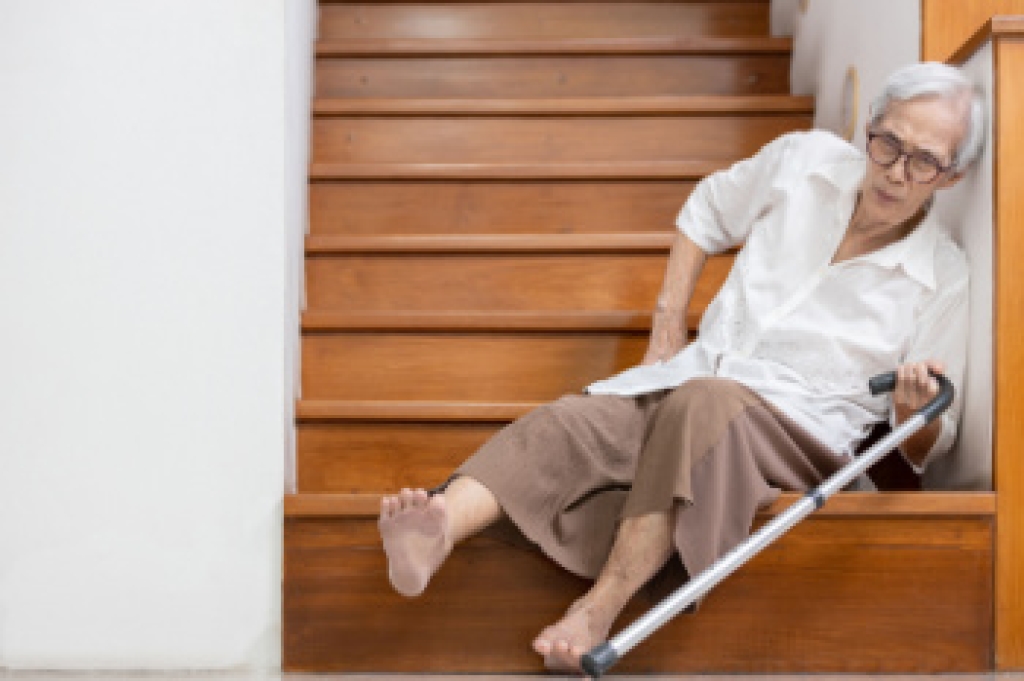
Foot Complications After Falling Down Steps

Falling down steps is a sudden traumatic event that can cause significant injury to the foot and ankle due to the high impact forces involved. This type of fall often occurs when a person missteps, loses balance, or fails to see a step clearly. The foot may twist, roll, or absorb direct impact, leading to damage in bones, ligaments, or soft tissues. Because stairs create uneven elevation changes, even a small miscalculation can result in injury.

Symptoms following a fall down steps vary depending on severity but often include sharp pain, swelling, bruising, and difficulty walking. Some individuals may notice instability in the ankle or an inability to bear weight. More serious injuries may present with deformity, grinding sensations, or persistent pain that worsens over time. Soft tissue injuries such as sprains or tendon strains are common, but fractures of the toes, heel, or ankle bones may also occur.


Risk factors for falling down steps include environmental hazards such as poorly maintained stairs, cluttered walkways, and inadequate lighting. Personal factors such as wearing improper footwear, rushing, or carrying heavy objects can also increase risk. Medical conditions that affect balance, coordination, or sensation in the feet further contribute to the likelihood of a fall. Reduced muscle strength or previous injuries may also make individuals more vulnerable to losing stability on stairs.


Foot conditions caused by falling down steps can range from mild to severe. Common injuries include ankle sprains, plantar fascia strain, metatarsal fractures, and ligament damage. In some cases, repeated instability may develop if injuries are not fully treated. Proper evaluation is important to prevent long term complications such as chronic pain or reduced mobility. If you have sustained a foot or ankle injury from falling down steps, it is suggested you consult a podiatrist for an accurate diagnosis and appropriate treatment.

Preventing falls among the elderly is very important. If you are older and have fallen or fear that you are prone to falling, consult with one of our podiatrists from Advanced Foot & Ankle. Our doctors will assess your condition and provide you with quality advice and care.

Every 11 seconds, an elderly American is being treated in an emergency room for a fall related injury. Falls are the leading cause of head and hip injuries for those 65 and older. Due to decreases in strength, balance, senses, and lack of awareness, elderly persons are very susceptible to falling. Thankfully, there are a number of things older persons can do to prevent falls.

How to Prevent Falls

Some effective methods that older persons can do to prevent falls include:

  • Enrolling in strength and balance exercise program to increase balance and strength
  • Periodically having your sight and hearing checked
  • Discuss any medications you have with a doctor to see if it increases the risk of falling
  • Clearing the house of falling hazards and installing devices like grab bars and railings
  • Utilizing a walker or cane
  • Wearing shoes that provide good support and cushioning
  • Talking to family members about falling and increasing awareness

Falling can be a traumatic and embarrassing experience for elderly persons; this can make them less willing to leave the house, and less willing to talk to someone about their fears of falling. Doing such things, however, will increase the likelihood of tripping or losing one’s balance. Knowing the causes of falling and how to prevent them is the best way to mitigate the risk of serious injury.  

If you have any questions, please feel free to contact our offices located in Newburg and Taylorsville, KY . We offer the newest diagnostic and treatment technologies for all your foot care needs.

Read more about Falls Prevention

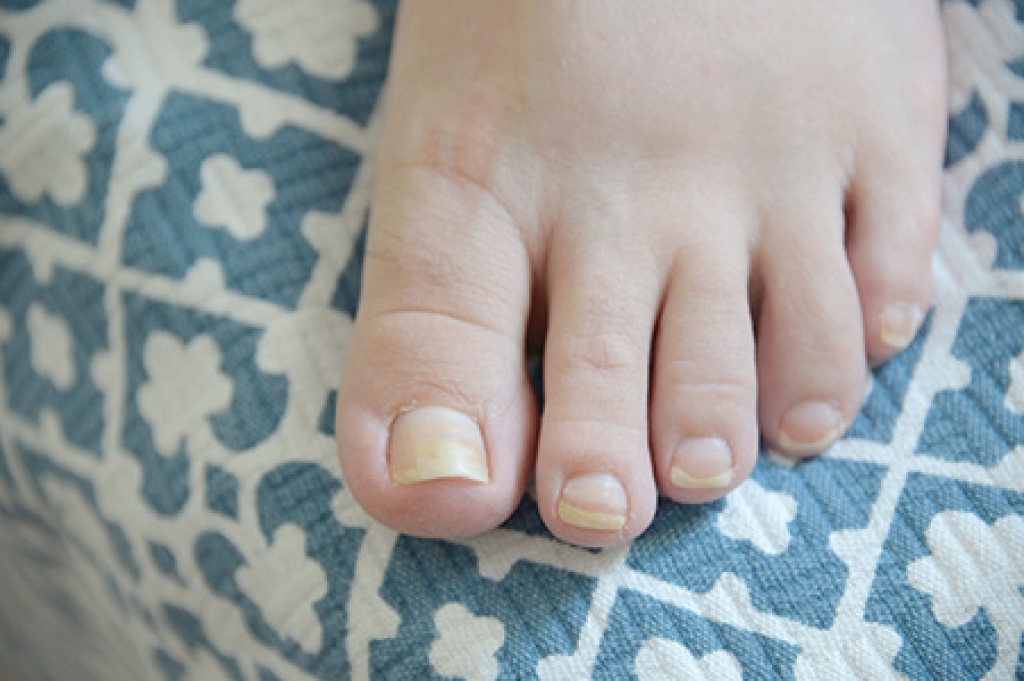
When a Toenail Injury Leads to Fungal Infection

A fungal nail infection affecting only one toe can sometimes develop after an injury rather than from typical exposure alone. Trauma to the toenail, such as stubbing the toe, repetitive pressure from sports, or damage from wearing tight footwear, can weaken the nail and create an opening for fungal organisms to grow. The nail may become thickened, discolored, brittle, misshapen, or begin lifting from the nail bed. Because only one nail is involved, some people assume the problem will resolve on its own or mistake it for lingering injury changes. A podiatrist can determine whether the nail changes are due to infection, trauma, or another condition that looks similar. Treatment may include targeted therapies based on the severity and extent of involvement. Early evaluation can improve treatment success and help prevent spread to other nails. If you have persistent nail changes after toe trauma, it is suggested that you visit a podiatrist for an assessment and appropriate treatment.

For more information about treatment, contact one of our podiatrists of Advanced Foot & Ankle. Our doctors can provide the care you need to keep you pain-free and on your feet.

Toenail Fungus Treatment

Toenail fungus is a condition that affects many people and can be especially hard to get rid of. Fortunately, there are several methods to go about treating and avoiding it.

Antifungals & Deterrence

Oral antifungal medicine has been shown to be effective in many cases. It is important to consult with a podiatrist to determine the proper regiment for you, or potentially explore other options.

Applying foot powder on the feet and shoes helps keep the feet free of moisture and sweat.

Sandals or open toed shoes – Wearing these will allow air movement and help keep feet dry. They also expose your feet to light, which fungus cannot tolerate. Socks with moisture wicking material also help as well.

If you have any questions please contact our offices located in Newburg and Taylorsville, KY . We offer the newest diagnostic and treatment technologies for all your foot and ankle needs.

Read more about Treating Toenail Fungus

Are You Suffering From Ingrown Toenails?

If left untreated, an ingrown toenail can lead to more serious concerns, such as an infection. Knowing proper nail care can help in the prevention of an ingrown toenail. Give us a call, and get treated!

Finding Baby’s 1st Walking Shoes

A baby’s first steps are an exciting part of growth, and the right shoes can help support healthy foot development. Before children begin walking, spending time barefoot helps strengthen the feet and improve balance. Once walking begins, shoes should protect the feet while still allowing natural movement. Good walking shoes include flexible soles, lightweight materials, and non-slip bottoms to help improve stability. Shoes should fit securely without being too tight or too loose. Shoes that are too large can cause tripping and affect walking patterns, while tight shoes can place pressure on growing feet and toenails. Many parents choose shoes with Velcro straps because they are easy to fasten and remove. A podiatrist can examine your child’s feet, check walking patterns, and recommend shoes that match your child’s stage of development. If your child is starting to walk, it is suggested that you make an appointment with a podiatrist for guidance on footwear choices that promote foot health.

Making sure that your children maintain good foot health is very important as they grow. If you have any questions, contact one of our podiatrists of Advanced Foot & Ankle. Our doctors can provide the care you need to keep you pain-free and on your feet.

Keeping Children's Feet Healthy

Having healthy feet during childhood can help prevent medical problems later in life, namely in the back and legs. As children grow, their feet require different types of care. Here are some things to consider...

Although babies do not walk yet, it is still very important to take care of their feet.

Avoid putting tight shoes or socks on his or her feet.

Allow the baby to stretch and kick his or her feet to feel comfortable.

As a toddler, kids are now on the move and begin to develop differently. At this age, toddlers are getting a feel for walking, so don’t be alarmed if your toddler is unsteady or ‘walks funny’. 

As your child gets older, it is important to teach them how to take care of their feet.

Show them proper hygiene to prevent infections such as fungus.

Be watchful for any pain or injury.

Have all injuries checked by a doctor as soon as possible.

Comfortable, protective shoes should always be worn, especially at play.

If you have any questions, please feel free to contact our offices located in Newburg and Taylorsville, KY . We offer the newest diagnostic and treatment technologies for all your foot care needs.

Read more about What to Do to Keep Your Child’s Feet Healthy

Why Your Feet Hurt While Skateboarding

Foot pain while skateboarding can develop from several common issues that affect comfort and performance. Wearing the wrong size shoes can create pressure and lead to problems like plantar fasciitis, which causes pain along the bottom of the foot. Flat feet may also contribute by reducing natural support and increasing strain during movement. Poor pushing technique can place uneven stress on the feet, while wheels that are too hard may increase impact and vibration. A podiatrist can evaluate foot structure, recommend proper shoes, and provide guidance to improve technique and reduce discomfort. If you enjoy skateboarding and have developed foot pain, it is suggested that you consult a podiatrist who can offer effective relief and treatment.

Sports related foot and ankle injuries require proper treatment before players can go back to their regular routines. For more information, contact one of our podiatrists of Advanced Foot & Ankle. Our doctors can provide the care you need to keep you pain-free and on your feet.

Sports Related Foot and Ankle Injuries

Foot and ankle injuries are a common occurrence when it comes to athletes of any sport. While many athletes dismiss the initial aches and pains, the truth is that ignoring potential foot and ankle injuries can lead to serious problems. As athletes continue to place pressure and strain the area further, a mild injury can turn into something as serious as a rupture and may lead to a permanent disability. There are many factors that contribute to sports related foot and ankle injuries, which include failure to warm up properly, not providing support or wearing bad footwear. Common injuries and conditions athletes face, including:

  • Plantar Fasciitis
  • Achilles Tendinitis
  • Achilles Tendon Rupture
  • Ankle Sprains

Sports related injuries are commonly treated using the RICE method. This includes rest, applying ice to the injured area, compression and elevating the ankle. More serious sprains and injuries may require surgery, which could include arthroscopic and reconstructive surgery. Rehabilitation and therapy may also be required in order to get any recovering athlete to become fully functional again. Any unusual aches and pains an athlete sustains must be evaluated by a licensed, reputable medical professional.

If you have any questions please contact our offices located in Newburg and Taylorsville, KY . We offer the newest diagnostic and treatment technologies for all your foot and ankle needs.

Read more about Sports Related Foot And Ankle Injuries

Connect With Us

Advanced Podiatric Procedures & Services in the Jefferson County, KY: Louisville, Shively, St. Matthews, Jeffersontown, Pleasure Ridge Park, Valley Station, Anchorage, Crestwood, Goshen areas