Cuboid Injuries and Foot Pain

The cuboid is a small bone on the outer side of the foot. Injuries involving it can cause significant pain, and are not always the same problem. Some people develop stress fractures from repeated impact during running or sports, while others injure the area during an ankle twist that affects the joints surrounding the bone. Direct trauma, such as dropping something heavy on the foot, can also lead to bruising or fracture. Pain is often felt along the outer edge foot, especially with walking, standing, or pushing off. Because these injuries can resemble ankle sprains, tendon problems, or general foot strain, proper diagnosis is important. A podiatrist can examine the foot, assess stability, and order imaging when needed, to identify the exact injury and guide treatment. If you have ongoing pain on the outer side of your foot, it is suggested that you visit a podiatrist for a diagnosis and appropriate treatment.

Cuboid syndrome, also known as cuboid subluxation, occurs when the joints and ligaments near the cuboid bone in the foot become torn. If you have cuboid syndrome, consult with one of our podiatrists from Advanced Foot & Ankle. Our doctors will assess your condition and provide you with quality foot and ankle treatment.

Cuboid syndrome is a common cause of lateral foot pain, which is pain on the outside of the foot. The condition may happen suddenly due to an ankle sprain, or it may develop slowly overtime from repetitive tension through the bone and surrounding structures.

Causes

The most common causes of cuboid syndrome include:

  • Injury – The most common cause of this ailment is an ankle sprain.
  • Repetitive Strain – Tension placed through the peroneus longus muscle from repetitive activities such as jumping and running may cause excessive traction on the bone causing it to sublux.
  • Altered Foot Biomechanics – Most people suffering from cuboid subluxation have flat feet.

Symptoms

A common symptom of cuboid syndrome is pain along the outside of the foot which can be felt in the ankle and toes. This pain may create walking difficulties and may cause those with the condition to walk with a limp.

Diagnosis

Diagnosis of cuboid syndrome is often difficult, and it is often misdiagnosed. X-rays, MRIs and CT scans often fail to properly show the cuboid subluxation. Although there isn’t a specific test used to diagnose cuboid syndrome, your podiatrist will usually check if pain is felt while pressing firmly on the cuboid bone of your foot.

Treatment

Just as the range of causes varies widely, so do treatments. Some more common treatments are ice therapy, rest, exercise, taping, and orthotics.

If you have any questions, please feel free to contact our offices located in Newburg and Taylorsville, KY . We offer the newest diagnostic and treatment technologies for all your foot care needs.


Read more about Cuboid Syndrome

Ankle Sprains in Active Children

Ankle sprains can occur when active children twist or roll the ankle during sports, running, or jumping. An ankle  sprain affects the ligaments, which are strong bands that hold the joint together. A sprain can cause pain, swelling, bruising, and difficulty walking. Some children may feel that the ankle is unstable or weak after the injury. Proper care is important because repeated sprains can lead to long-term joint problems. A podiatrist can examine the ankle, check how the joint moves, and order imaging to confirm the diagnosis. Treatment plans focus on restoring strength, flexibility, and balance, which helps support the ankle and reduce the risk of future injury. Guided exercises may be prescribed to improve coordination and safe return to activity. If your child has symptoms of an ankle sprain, it is suggested that you schedule an appointment with a podiatrist for a diagnosis and appropriate treatment.

Ankle sprains are common but need immediate attention. If you need your feet checked, contact one of our podiatrists from Advanced Foot & Ankle. Our doctors can provide the care you need to keep you pain-free and on your feet.

How Does an Ankle Sprain Occur?

Ankle sprains take place when the ligaments in your ankle are torn or stretched beyond their limits. There are multiple ways that the ankle can become injured, including twisting or rolling over onto your ankle, putting undue stress on it, or causing trauma to the ankle itself.

What Are the Symptoms?

  • Mild to moderate bruising
  • Limited mobility
  • Swelling
  • Discoloration of the skin (depending on severity)

Preventing a Sprain

  • Wearing appropriate shoes for the occasion
  • Stretching before exercises and sports
  • Knowing your limits

Treatment of a Sprain

Treatment of a sprain depends on the severity.  Many times, people are told to rest and remain off their feet completely, while others are given an air cast. If the sprain is very severe, surgery may be required.

If you have suffered an ankle sprain previously, you may want to consider additional support such as a brace and regular exercises to strengthen the ankle.

If you have any questions please feel free to contact our offices located in Newburg and Taylorsville, KY . We offer the newest diagnostic tools and technology to treat your foot and ankle needs.

Read more about Three Grades of Ankle Sprains

Why Live with Pain and Numbness in Your Feet?

Suffering from this type of pain? You may have the foot condition known as Morton's neuroma. Morton's neuroma may develop as a result of ill-fitting footwear and existing foot deformities. We can help.

Stages of Toenail Fungus and When to Seek Care

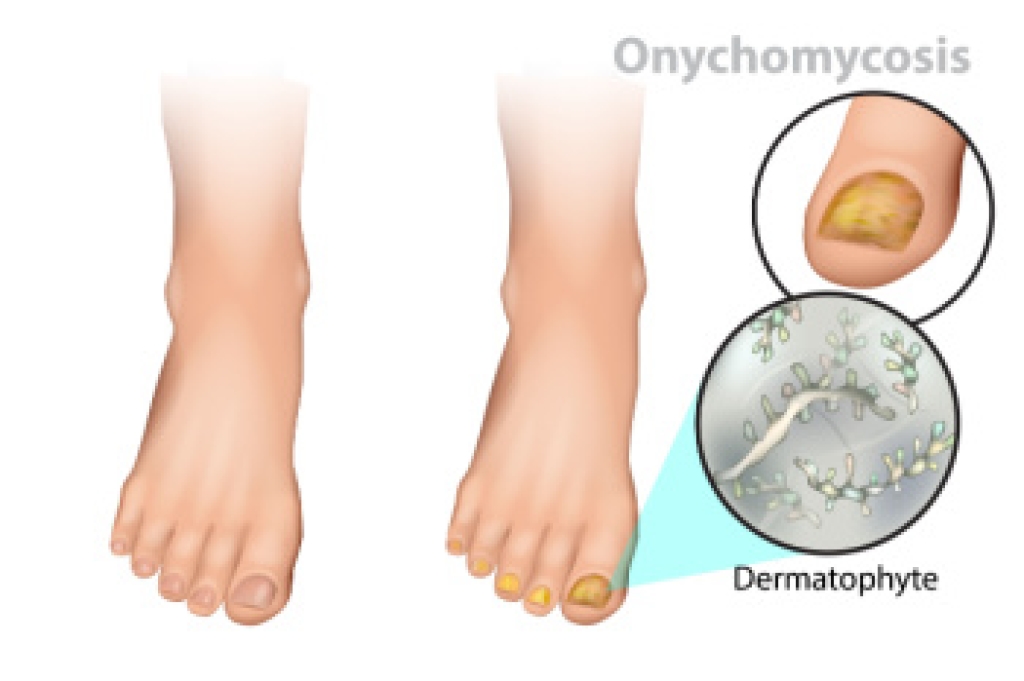
Toenail fungus affects the nail and surrounding tissue, often beginning subtly and then progressing. In the early stage, the nail may show mild discoloration or small white or yellow spots. As it moves into a moderate stage, the nail can become thicker, brittle, and more noticeably discolored. In advanced stages, the nail may crumble, separate from the nail bed, and cause discomfort. Causes include fungal exposure in warm, moist environments. Risk factors include aging, diabetes, and poor circulation. Without treatment, the condition may worsen. A podiatrist can diagnose the infection and provide effective treatment options. If you notice nail changes, it is suggested that you consult a podiatrist who can effectively treat toenail fungus, which may include prescribed medication. 

If left untreated, toenail fungus may spread to other toenails, skin, or even fingernails. If you suspect you have toenail fungus it is important to seek treatment right away. For more information about treatment, contact one of our podiatrists of Advanced Foot & Ankle. Our doctors can provide the care you need to keep you pain-free and on your feet.

Symptoms

  • Warped or oddly shaped nails
  • Yellowish nails
  • Loose/separated nail
  • Buildup of bits and pieces of nail fragments under the nail
  • Brittle, broken, thickened nail

Treatment

If self-care strategies and over-the-counter medications does not help your fungus, your podiatrist may give you a prescription drug instead. Even if you find relief from your toenail fungus symptoms, you may experience a repeat infection in the future.

Prevention

In order to prevent getting toenail fungus in the future, you should always make sure to wash your feet with soap and water. After washing, it is important to dry your feet thoroughly especially in between the toes. When trimming your toenails, be sure to trim straight across instead of in a rounded shape. It is crucial not to cover up discolored nails with nail polish because that will prevent your nail from being able to “breathe”.

In some cases, surgical procedure may be needed to remove the toenail fungus. Consult with your podiatrist about the best treatment options for your case of toenail fungus.  

If you have any questions please contact our offices located in Newburg and Taylorsville, KY . We offer the newest diagnostic and treatment technologies for all your foot and ankle needs.

Read more about Toenail Fungus

Understanding High Arches and Foot Pain

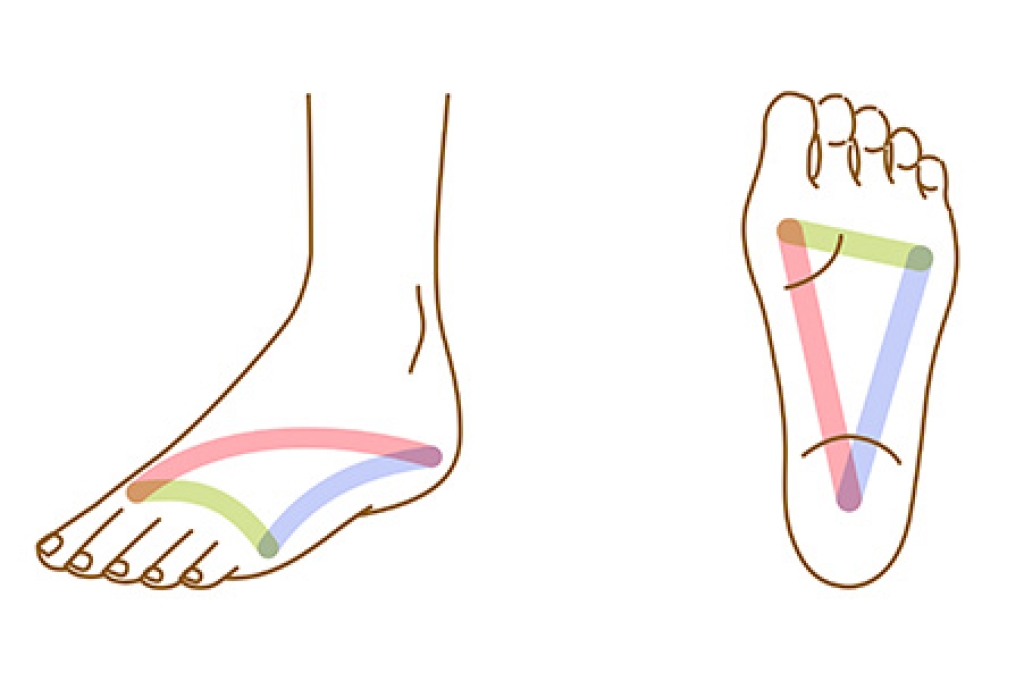
A high arch is a condition where the arch of the foot is raised more than normal, placing excessive pressure on certain areas. This imbalance can lead to foot pain, because stress is concentrated on the section between the ankle and toes that affects stability and shock absorption. High arches may be caused by inherited bone structure or underlying nerve conditions that alter muscle function. Individuals often experience difficulty finding comfortable, supportive shoes. Other risk factors include family history, neurological disorders, and improper footwear. A podiatrist can evaluate foot structure, recommend custom orthotics, and provide guidance on proper footwear. If you have high arches that are causing discomfort, it is suggested that you consult a podiatrist who can provide effective relief and management tips.

Foot Pain

Foot pain can be extremely painful and debilitating. If you have a foot pain, consult with one of our podiatrists from Advanced Foot & Ankle. Our doctors will assess your condition and provide you with quality foot and ankle treatment.

Causes

Foot pain is a very broad condition that could be caused by one or more ailments. The most common include:

  • Bunions
  • Hammertoes
  • Plantar Fasciitis
  • Bone Spurs
  • Corns
  • Tarsal Tunnel Syndrome
  • Ingrown Toenails
  • Arthritis (such as Gout, Rheumatoid, and Osteoarthritis)
  • Flat Feet
  • Injury (from stress fractures, broken toe, foot, ankle, Achilles tendon ruptures, and sprains)
  • And more

Diagnosis

To figure out the cause of foot pain, podiatrists utilize several different methods. This can range from simple visual inspections and sensation tests to X-rays and MRI scans. Prior medical history, family medical history, and any recent physical traumatic events will all be taken into consideration for a proper diagnosis.

Treatment

Treatment depends upon the cause of the foot pain. Whether it is resting, staying off the foot, or having surgery; podiatrists have a number of treatment options available for foot pain.

If you have any questions, please feel free to contact our offices located in Newburg and Taylorsville, KY . We offer the newest diagnostic and treatment technologies for all your foot care needs.
Read more about Foot Pain

Connect With Us

Advanced Podiatric Procedures & Services in the Jefferson County, KY: Louisville, Shively, St. Matthews, Jeffersontown, Pleasure Ridge Park, Valley Station, Anchorage, Crestwood, Goshen areas