Swollen Feet and Ankles and Their Causes

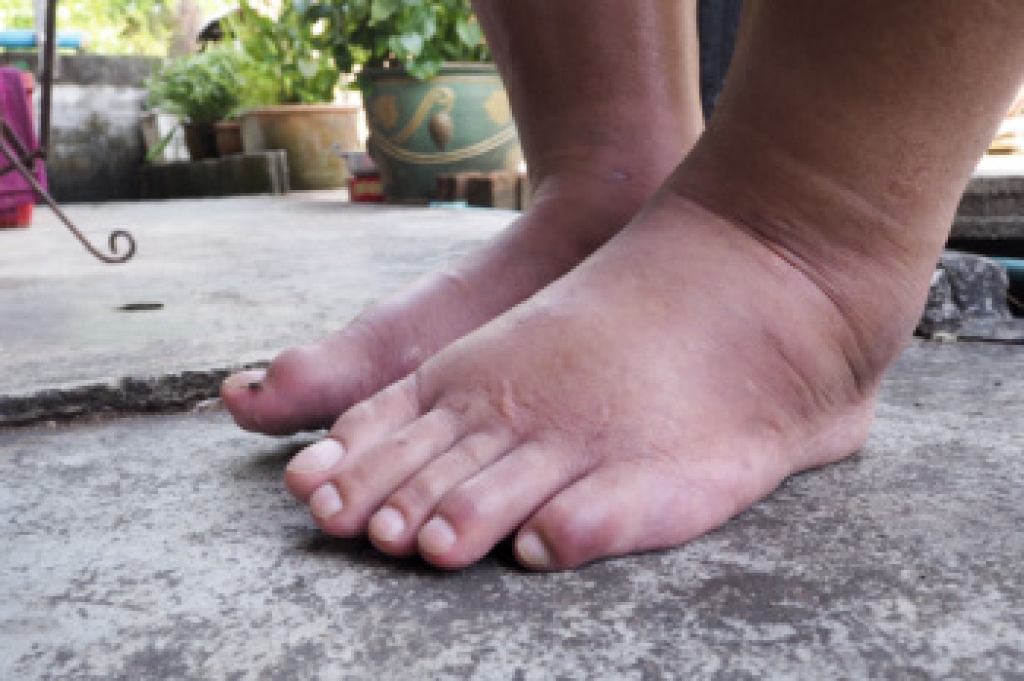
Swollen feet and ankles, also known as edema, occur when fluid builds up in the tissues of the lower extremities. Common causes include standing for long periods of time, high salt intake, and pregnancy, which can increase pressure on blood vessels and lead to fluid retention. Other contributing factors may involve poor circulation, injury, or underlying medical conditions. Risk factors include obesity, a sedentary lifestyle, aging, and certain heart or kidney issues that affect fluid balance. A podiatrist can evaluate the cause of swelling, assess circulation and foot structure, and recommend supportive footwear, compression therapy, and lifestyle modifications to reduce discomfort. Early evaluation is important to rule out serious conditions and improve mobility. If your feet or ankles are consistently swollen, it is suggested that you consult a podiatrist who can offer effective relief solutions.

Swollen feet can be a sign of an underlying condition. If you have any concerns, contact one of our podiatrists of Advanced Foot & Ankle. Our doctors can provide the care you need to keep you pain-free and on your feet.

Swollen feet are a common ailment among pregnant women and people who stand or sit for extended periods. Aging may increase the possibility of swollen feet and patients who are obese often notice when their feet are swelling too. There may be medical reasons why swollen feet occur:

  • Phlebitis - A condition that causes the veins to become inflamed and can also cause leg pain.
  • Liver disease - This may lead to low blood levels of albumin which is a protein. This can cause fluid in the blood to pass into the tissues and several areas of the body can become swollen.
  • Heart failure - When the heart doesn’t pump properly the blood that is normally pumped back to the heart can pool in the veins of the legs causing swollen feet.
  • Kidney disease - One of the main functions of the kidneys is releasing excess fluid in the body. This type of condition can make it difficult for the kidneys to function properly, and as a result the feet may become swollen.
  • Deep-vein thrombosis (DVT)- This is a serious condition where blood clots form in the veins of the legs. They can block the return of blood from the legs to the heart which may cause the feet to swell. It is important to be treated by a podiatrist if this condition is present.

Swollen feet can also be caused by bone and tendon conditions, including fractures, arthritis, and tendinitis. Additionally, there may be skin and toenail conditions and an infection may cause the feet to swell. Patients who take medicine to treat high blood pressure may be prone to getting swollen feet. 

Many patients elevate their feet to help relieve the swelling and this is generally a temporary remedy. When a podiatrist is consulted the reason behind the swelling can be uncovered and subsequently treated.

If you have any questions please contact our offices located in Newburg and Taylorsville, KY . We offer the newest diagnostic and treatment technologies for all your foot and ankle needs.

Read more about Swelling of the Feet

Heel Pad Syndrome Exercises

Heel pad syndrome involves thinning or damage to the fat pad beneath the heel, which normally cushions impact while walking and standing. It can be caused by aging, obesity, improper footwear, or an uneven gait that increases pressure on the heel. Symptoms include deep aching pain in the center of the heel, especially during prolonged standing or walking. Exercises include calf stretching, heel raises, hamstring stretches, and gently rolling a ball under the foot, which can improve flexibility and reduce strain. Risk factors include high-impact activities, poor foot support, and repetitive stress. A podiatrist can help by evaluating foot mechanics, recommending treatments, and providing expert guidance. If heel pain persists, it is suggested that you consult a podiatrist who can offer you appropriate relief tips tailored to your needs.

Exercising your feet regularly with the proper foot wear is a great way to prevent injuries and build strength. If you have any concerns about your feet, contact one of our podiatrists from Advanced Foot & Ankle. Our doctors can provide the care you need to keep you pain-free and on your feet.

Exercise for Your Feet

Exercise for your feet can help you gain strength, mobility and flexibility in your feet. They say that strengthening your feet can be just as rewarding as strengthening another part of the body. Your feet are very important, and we often forget about them in our daily tasks. But it is because of our feet that are we able to get going and do what we need to. For those of us fortunate enough to not have any foot problems, it is an important gesture to take care of them to ensure good health in the long run.

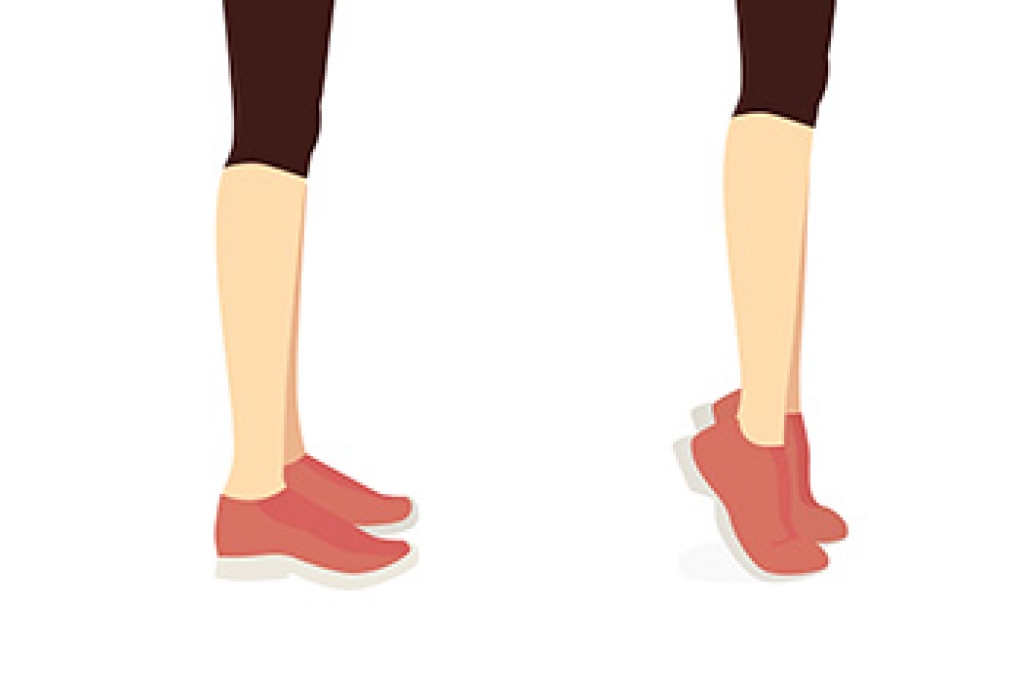
Some foot health exercises can include ankle pumps, tip-toeing, toe rises, lifting off the floor doing reps and sets, and flexing the toes. It is best to speak with Our doctors to determine an appropriate regimen for your needs. Everyone’s needs and bodies are different, and the activities required to maintain strength in the feet vary from individual to individual. 

Once you get into a routine of doing regular exercise, you may notice a difference in your feet and how strong they may become.

If you have any questions, please feel free to contact our offices located in Newburg and Taylorsville, KY . We offer the newest diagnostic and treatment technologies for all your foot care needs.

Read more about Exercise for Your Feet

Do Your Child's Feet Hurt?

Have your child's feet been examined lately? Healthy feet are happy feet. If your child is complaining of foot pain, it may be a sign of underlying problems.

Why Proper Shoe Fit Matters for Lifelong Foot Health

Proper shoe fit plays a vital role in maintaining overall foot health and preventing avoidable injuries. Many adults unknowingly wear shoes that are too large, which can lead to blisters, instability, and an increased risk of trips and falls. Shoes that are too small can be equally harmful, contributing to painful conditions such as bunions and hammertoes. Wearing the right shoes for specific activities is essential for support, comfort, and injury prevention. A podiatrist can evaluate foot structure, recommend appropriate footwear, and address existing concerns before they worsen. Taking the time to choose correctly fitted shoes can improve mobility, reduce pain, and support long-term wellness. If you have foot pain from possibly wearing the wrong size shoes, it is suggested that you consult a podiatrist who can treat various foot conditions and guide you on the appropriate shoe size to wear.

Getting the right shoe size is an important part of proper foot health. Seek the assistance of one of our podiatrists from Advanced Foot & Ankle. Our doctors will provide the care you need to keep you pain-free and on your feet.

Getting the Right Shoe Size

There are many people who wear shoes that are the incorrect size, negatively affecting their feet and posture. Selecting the right shoes is not a difficult process, so long as you keep several things in mind when it comes to choosing the right pair.

  • When visiting the shoe store, use the tools available to measure your foot.
  • Be sure there is ‘wiggle room’. There should be about an inch between your toes and the tip of your shoes.
  • Do not always assume you are the same size, as manufacturers run differently.
  • Purchase shoes later in the day, as your feet swell as the day progresses.
  • If a shoe is not comfortable, it is not suitable. Most shoes can’t be ‘broken in’, and comfort should be the ultimate goal when it comes to choosing the right pair of shoes

As our feet hold our body weight and keep us moving, it is important to treat them right. Picking the right pair of shoes can provide your feet comfort and mobility without pain.

If you have any questions, please feel free to contact our offices located in Newburg and Taylorsville, KY . We offer the newest diagnostic and treatment technologies for all your foot care needs.

Read more about Getting the Right Shoe Size: To Keep Your Feet Happy

Wound Care in Podiatry

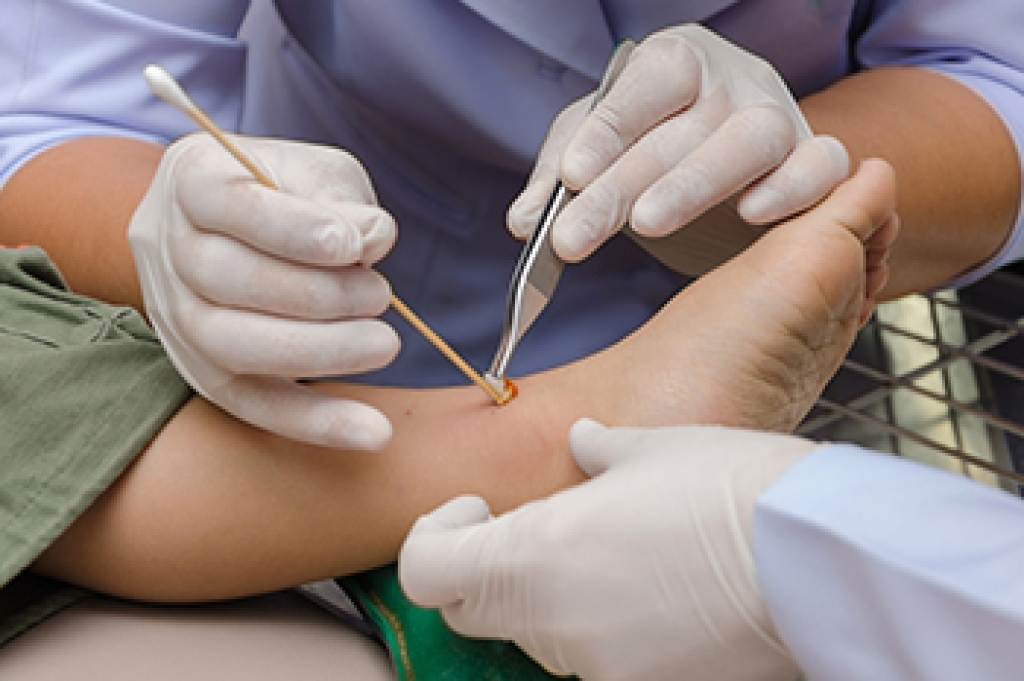
Wound care is an important medical specialty focused on the treatment and management of acute and chronic wounds, especially in the feet where healing can be more complex. Patient preferences on wound care may reflect attitudes and beliefs, possibly based on education. Some types of foot wounds may develop from pressure, injury, poor circulation, or complications related to conditions such as diabetes. Risk factors include reduced blood flow, nerve damage, infection, and prolonged pressure on certain areas. Common types of foot wounds include ulcers, cuts, and slow healing sores that can worsen without proper care. A podiatrist plays a key role by providing debridement, infection control, and pressure relief to promote healing. Early treatment helps prevent serious complications. If you have any type of foot wound, it is suggested that you promptly consult a podiatrist who can take your preferences into account and  offer appropriate treatment solutions. 

Wound care is an important part in dealing with diabetes. If you have diabetes and a foot wound or would like more information about wound care for diabetics, consult with one of our podiatrists from Advanced Foot & Ankle. Our doctors will assess your condition and provide you with quality foot and ankle treatment.

What Is Wound Care?

Wound care is the practice of taking proper care of a wound. This can range from the smallest to the largest of wounds. While everyone can benefit from proper wound care, it is much more important for diabetics. Diabetics often suffer from poor blood circulation which causes wounds to heal much slower than they would in a non-diabetic. 

What Is the Importance of Wound Care?

While it may not seem apparent with small ulcers on the foot, for diabetics, any size ulcer can become infected. Diabetics often also suffer from neuropathy, or nerve loss. This means they might not even feel when they have an ulcer on their foot. If the wound becomes severely infected, amputation may be necessary. Therefore, it is of the upmost importance to properly care for any and all foot wounds.

How to Care for Wounds

The best way to care for foot wounds is to prevent them. For diabetics, this means daily inspections of the feet for any signs of abnormalities or ulcers. It is also recommended to see a podiatrist several times a year for a foot inspection. If you do have an ulcer, run the wound under water to clear dirt from the wound; then apply antibiotic ointment to the wound and cover with a bandage. Bandages should be changed daily and keeping pressure off the wound is smart. It is advised to see a podiatrist, who can keep an eye on it.

If you have any questions please contact our offices located in Newburg and Taylorsville, KY . We offer the newest diagnostic and treatment technologies for all your foot and ankle needs.

Read more about Wound Care

Connect With Us

Advanced Podiatric Procedures & Services in the Jefferson County, KY: Louisville, Shively, St. Matthews, Jeffersontown, Pleasure Ridge Park, Valley Station, Anchorage, Crestwood, Goshen areas