Toenail Fungus and How It Develops

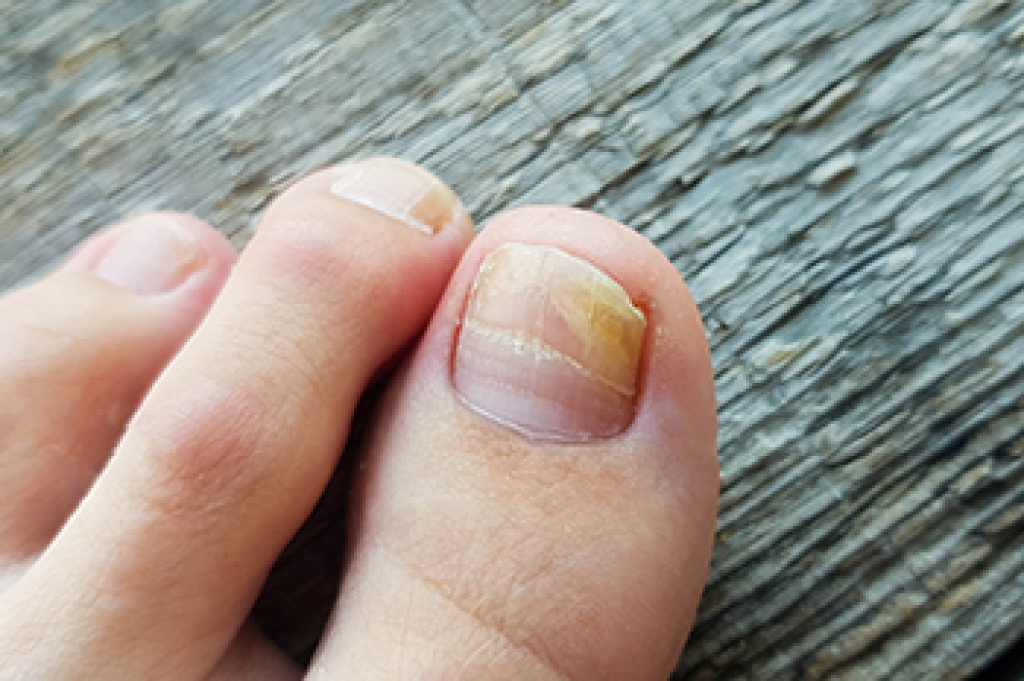
Toenail fungus affects the nail and the skin beneath it. It begins when fungi enter through small cracks and slowly spread under the nail surface, leading to infection. Symptoms often include thickened, brittle, and yellow discolored nails that may become difficult to trim. Risk factors include older age, exposure to someone with the infection, and warm, moist environments that support fungal growth. Without treatment, the condition can worsen and affect multiple nails. Early recognition and care are important to maintain healthy, strong nails and prevent further spread. If you have symptoms of toenail fungus, it is suggested that you consult a podiatrist who can effectively treat this condition, which may include prescribed medication.

For more information about treatment, contact one of our podiatrists of Advanced Foot & Ankle. Our doctors can provide the care you need to keep you pain-free and on your feet.

Toenail Fungus Treatment

Toenail fungus is a condition that affects many people and can be especially hard to get rid of. Fortunately, there are several methods to go about treating and avoiding it.

Antifungals & Deterrence

Oral antifungal medicine has been shown to be effective in many cases. It is important to consult with a podiatrist to determine the proper regiment for you, or potentially explore other options.

Applying foot powder on the feet and shoes helps keep the feet free of moisture and sweat.

Sandals or open toed shoes – Wearing these will allow air movement and help keep feet dry. They also expose your feet to light, which fungus cannot tolerate. Socks with moisture wicking material also help as well.

If you have any questions please contact our offices located in Newburg and Taylorsville, KY . We offer the newest diagnostic and treatment technologies for all your foot and ankle needs.


Read more about How to Treat Your Toenail Fungus

Understanding Plantar Fasciitis

Plantar fasciitis is one of the most frequent causes of heel discomfort and develops when the strong band of tissue along the bottom of the foot becomes irritated or overstressed. This tissue, called the plantar fascia, supports the arch and helps absorb the force created during walking and standing. When the fascia becomes strained, tiny tears can develop that lead to inflammation and heel pain. Many people first notice discomfort when stepping out of bed in the morning or after sitting for a long period. The pain may feel sharp at the heel and sometimes spreads across the bottom of the foot. Causes include overuse, tight calf muscles, flat feet, high arches, or shoes that lack proper support. A podiatrist can evaluate the foot structure, identify the source of the irritation, and guide treatment. Care may include supportive footwear, custom orthotics, anti-inflammatory care, and targeted exercises to ease tension. If you have plantar fasciitis, it is suggested that you make an appointment with a podiatrist.

Plantar fasciitis is a common foot condition that is often caused by a strain injury. If you are experiencing heel pain or symptoms of plantar fasciitis, contact one of our podiatrists from Advanced Foot & Ankle. Our doctors can provide the care you need to keep you pain-free and on your feet.

What Is Plantar Fasciitis?

Plantar fasciitis is one of the most common causes of heel pain. The plantar fascia is a ligament that connects your heel to the front of your foot. When this ligament becomes inflamed, plantar fasciitis is the result. If you have plantar fasciitis you will have a stabbing pain that usually occurs with your first steps in the morning. As the day progresses and you walk around more, this pain will start to disappear, but it will return after long periods of standing or sitting.

What Causes Plantar Fasciitis?

  • Excessive running
  • Having high arches in your feet
  • Other foot issues such as flat feet
  • Pregnancy (due to the sudden weight gain)
  • Being on your feet very often

There are some risk factors that may make you more likely to develop plantar fasciitis compared to others. The condition most commonly affects adults between the ages of 40 and 60. It also tends to affect people who are obese because the extra pounds result in extra stress being placed on the plantar fascia.

Prevention

  • Take good care of your feet – Wear shoes that have good arch support and heel cushioning.
  • Maintain a healthy weight
  • If you are a runner, alternate running with other sports that won’t cause heel pain

There are a variety of treatment options available for plantar fasciitis along with the pain that accompanies it. Additionally, physical therapy is a very important component in the treatment process. It is important that you meet with your podiatrist to determine which treatment option is best for you.

If you have any questions, please feel free to contact our offices located in Newburg and Taylorsville, KY . We offer the newest diagnostic and treatment technologies for all your foot care needs.


Read more about Plantar Fasciitis

Wounds That Don't Heal Need to Be Checked

Your feet are covered most of the day. If you're diabetic, periodic screening is important for good health. Numbness is often a sign of diabetic foot and can mask a sore or wound.

Causes and Symptoms of Hammertoe

Hammertoe is a deformity in which one of the smaller toes bends at the middle joint and stays in a raised position instead of lying flat. It most often affects the second toe. In early stages, the toe may still be flexible, but over time it can become stiff and hard to straighten. Hammertoe develops when the muscles and tendons that control the toe become unbalanced, causing the joint to remain bent. Contributing factors include inherited foot shape, arthritis, injury, bunions that crowd the toes, and years of wearing tight shoes. Common symptoms include pain when walking, redness over the bent joint, and calluses or corns caused by rubbing. Some people also feel aching in the ball of the foot due to added pressure. A podiatrist can examine the foot, confirm the diagnosis, and recommend orthotics or surgery when needed. If you have symptoms of hammertoe, it is suggested that you make an appointment with a podiatrist for an exam, diagnosis, and treatment.

Hammertoe

Hammertoes can be a painful condition to live with. For more information, contact one of our podiatrists from Advanced Foot & Ankle. Our doctors will answer any of your foot- and ankle-related questions.

Hammertoe is a foot deformity that affects the joints of the second, third, fourth, or fifth toes of your feet. It is a painful foot condition in which these toes curl and arch up, which can often lead to pain when wearing footwear.

Symptoms

  • Pain in the affected toes
  • Development of corns or calluses due to friction
  • Inflammation
  • Redness
  • Contracture of the toes

Causes

Genetics – People who are genetically predisposed to hammertoe are often more susceptible

Arthritis – Because arthritis affects the joints in your toes, further deformities stemming from arthritis can occur

Trauma – Direct trauma to the toes could potentially lead to hammertoe

Ill-fitting shoes – Undue pressure on the front of the toes from ill-fitting shoes can potentially lead to the development of hammertoe

Treatment

Orthotics – Custom made inserts can be used to help relieve pressure placed on the toes and therefore relieve some of the pain associated with it

Medications – Oral medications such as anti-inflammatories or NSAIDs could be used to treat the pain and inflammation hammertoes causes. Injections of corticosteroids are also sometimes used

Surgery – In more severe cases where the hammertoes have become more rigid, foot surgery is a potential option

If you have any questions, please feel free to contact our offices located in Newburg and Taylorsville, KY . We offer the newest diagnostic and treatment technologies for all your foot care needs.

Read more about What Are Hammertoes?

Bumps at the Back of the Heel

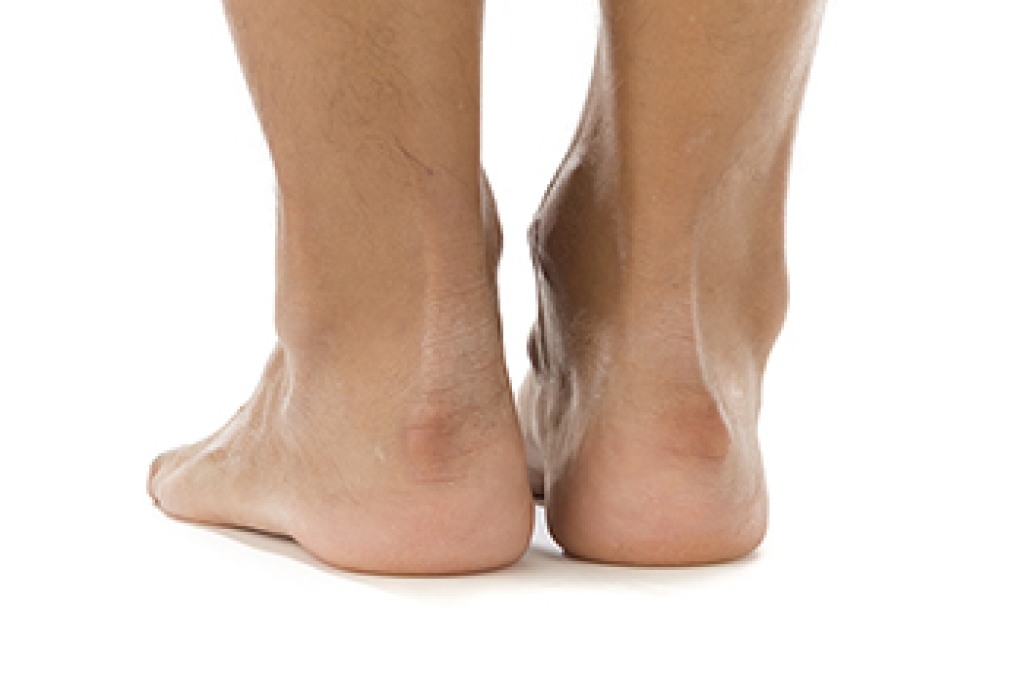
Haglund’s deformity is a bony enlargement on the back of the heel where the Achilles tendon attaches to it. This condition often develops when rigid shoes rub against the heel, creating repeated pressure and irritation. The area may look swollen or prominent, and the skin can become red or thickened. Many patients describe a deep aching pain at the back of the heel that worsens with walking, especially in shoes with a firm heel. Over time, inflammation of the nearby bursa or Achilles tendon may occur, increasing stiffness and tenderness. A podiatrist begins with a detailed examination and may order imaging to confirm the bony prominence and rule out tendon damage. Treatment can include shoe modifications, protective padding, custom orthotics, and targeted exercises to reduce strain on the Achilles tendon. In more advanced cases, surgical correction may be considered. If you have pain at the back of your heel, it is suggested that you make an appointment with a podiatrist for proper evaluation and care.

Many people suffer from bouts of heel pain. For more information, contact one of our podiatrists of Advanced Foot & Ankle. Our doctors can provide the care you need to keep you pain-free and on your feet.

Causes of Heel Pain

Heel pain is often associated with plantar fasciitis. The plantar fascia is a band of tissues that extends along the bottom of the foot. A rip or tear in this ligament can cause inflammation of the tissue.

Achilles tendonitis is another cause of heel pain. Inflammation of the Achilles tendon will cause pain from fractures and muscle tearing. Lack of flexibility is also another symptom.

Heel spurs are another cause of pain. When the tissues of the plantar fascia undergo a great deal of stress, it can lead to ligament separation from the heel bone, causing heel spurs.

Why Might Heel Pain Occur?

  • Wearing ill-fitting shoes                
  • Wearing non-supportive shoes
  • Weight change           
  • Excessive running

Treatments

Heel pain should be treated as soon as possible for immediate results. Keeping your feet in a stress-free environment will help. If you suffer from Achilles tendonitis or plantar fasciitis, applying ice will reduce the swelling. Stretching before an exercise like running will help the muscles. Using all these tips will help make heel pain a condition of the past.

If you have any questions, please feel free to contact our offices located in Newburg and Taylorsville, KY . We offer the newest diagnostic and treatment technologies for all your foot care needs.

Read more about Heel Pain

Connect With Us

Advanced Podiatric Procedures & Services in the Jefferson County, KY: Louisville, Shively, St. Matthews, Jeffersontown, Pleasure Ridge Park, Valley Station, Anchorage, Crestwood, Goshen areas